
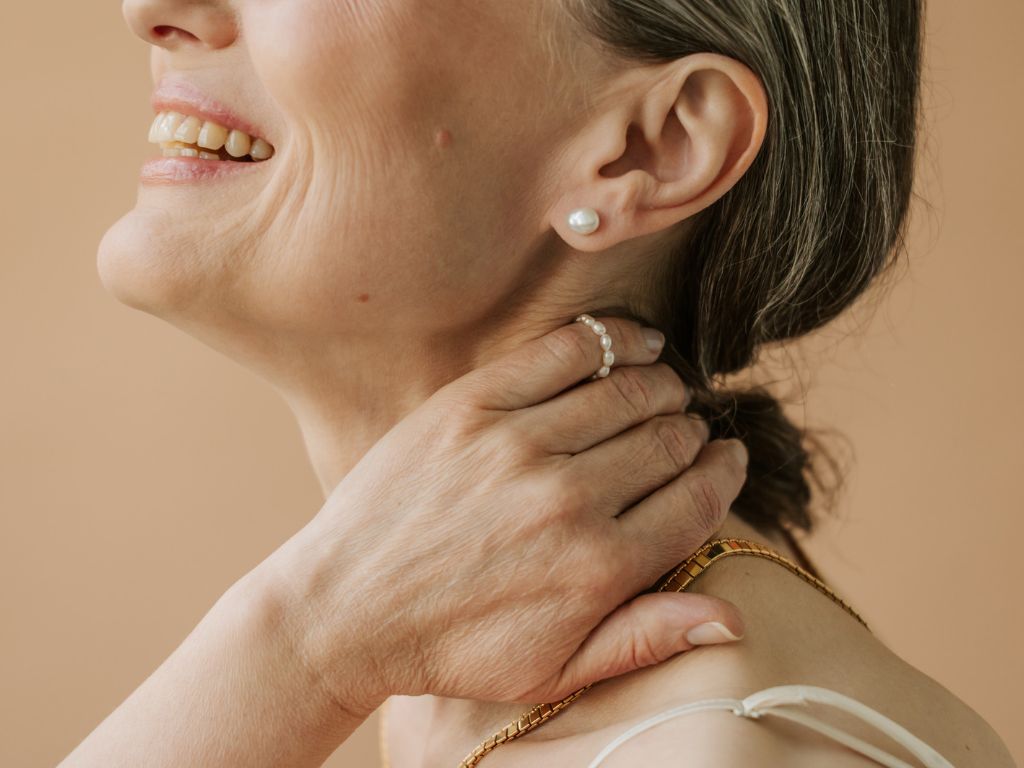
Quick Summary: Menopause skin changes can include dryness, increased sensitivity, and a loss of firmness. Cosmetic doctor Dr Yalda Jamali and obstetrician and gynaecologist Dr Nargis Noori explain how declining oestrogen affects your skin and hair, including changes to vulval tissue, and when to seek support.
If your usual skincare routine suddenly seems to have stopped working, it may be time to reassess what your skin needs. During perimenopause and menopause, skin can become drier and more easily irritated. You might also notice breakouts or changes in how your makeup sits.
Understanding these changes can help you work out what to adjust at home and when professional advice could help.
Why Skin Changes During Perimenopause and Menopause

Our skin and hair respond to hormones throughout our lives, including during puberty and pregnancy. Perimenopause and menopause are another part of that hormonal journey.
As oestrogen declines, collagen production reduces, and skin becomes less able to hold moisture. It can feel thinner and look less plump, with fine lines becoming more noticeable.
These changes can begin during perimenopause, before periods stop completely. Everyone’s experience is different, so your skin may need different support from someone else’s.
Dry Skin, Thinning, and Loss of Firmness During Menopause
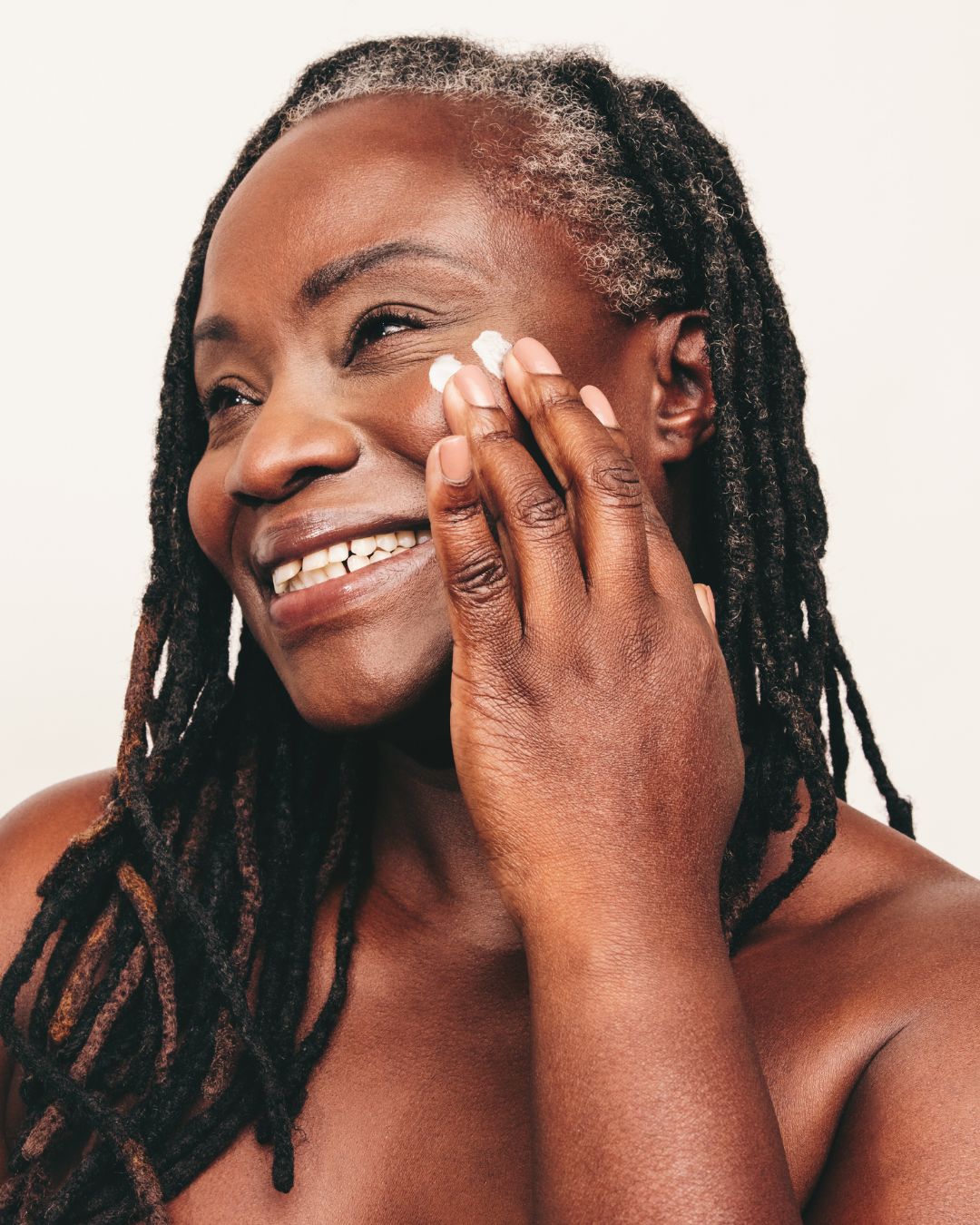
Dryness and a loss of firmness can show up together. You might notice your skin feeling tighter after cleansing, while also looking less firm or “supported”.
Makeup may settle differently, and products that once felt moisturising enough may no longer leave your skin comfortable. You may also notice that your skin feels thinner or less resilient.
If these changes bother you, a cosmetic doctor or dermatologist can discuss suitable options. Some in-clinic treatments aim to stimulate collagen production and improve skin quality over time. The right approach will depend on your skin and what you want help with.
Can Menopause Cause Itchy Skin?
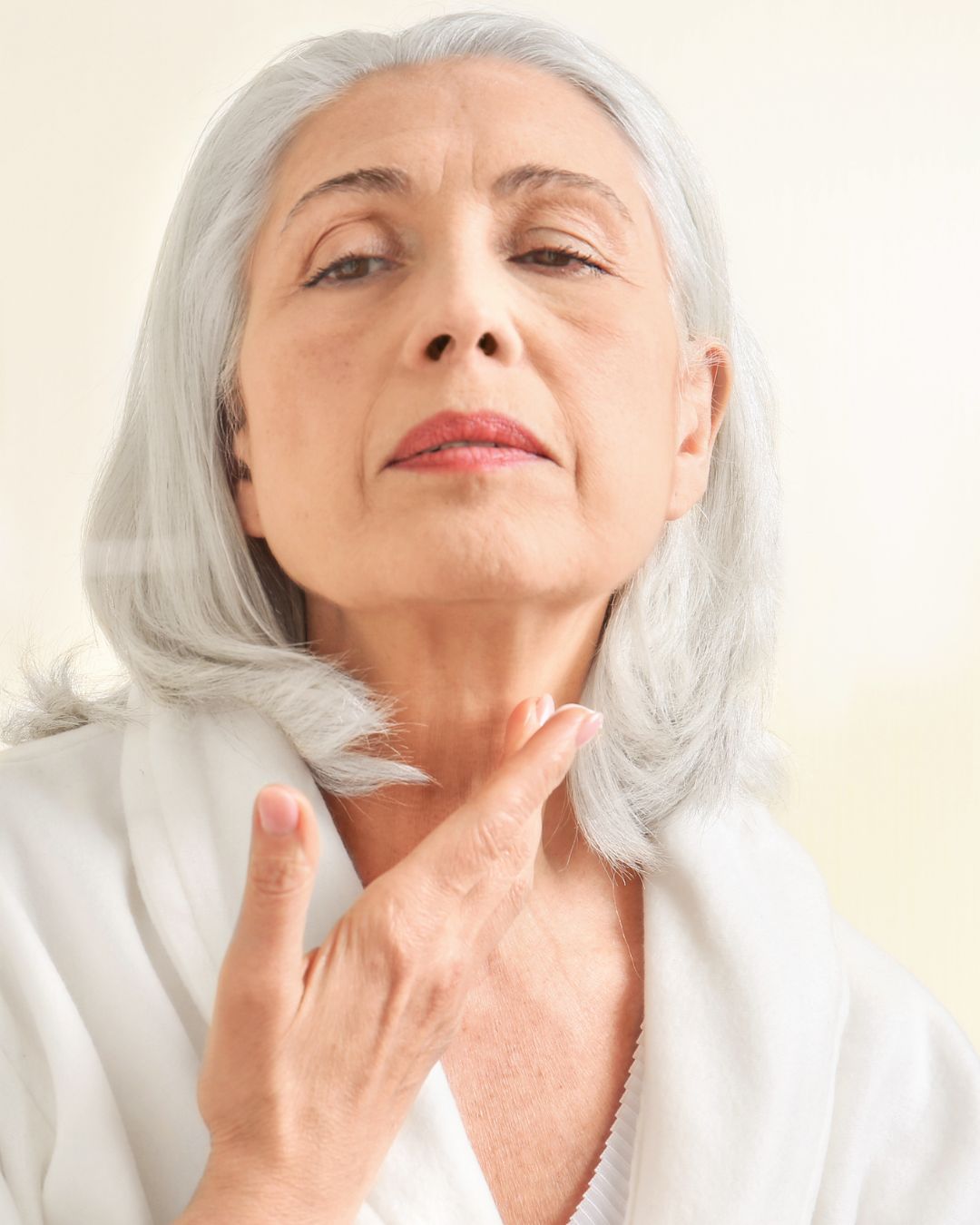
Yes, itchy skin can occur during perimenopause and menopause. Some people describe a scratchy or crawling sensation across their skin.
If dryness is contributing to the itch, gentle cleansing and regular moisturising may help. Fragrance-free products can also be useful when skin is easily irritated.
Persistent itching or a new rash deserves attention. Avoid assuming every change is hormonal: your GP can assess your symptoms and check whether another condition needs treatment.
Menopause Acne, Redness, and Sensitive Skin
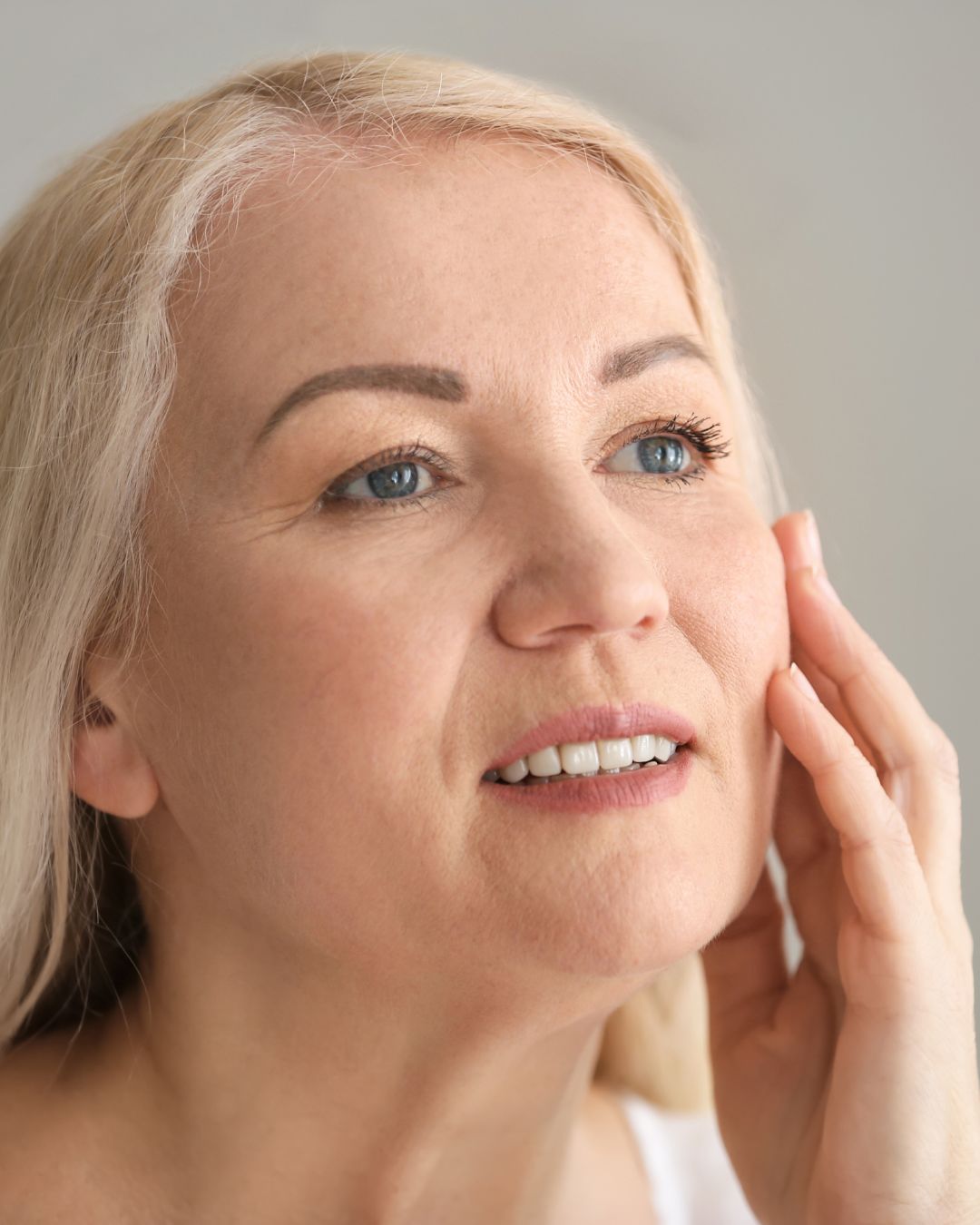
Your skin might start doing things it never did before. Hormonal changes can bring adult acne, even when your skin also feels dry. You may notice increased redness or sensitivity, and existing conditions such as rosacea can become harder to manage.
The routine you have used for years may no longer suit your skin. Products that previously felt comfortable may now sting or leave it irritated.
If breakouts or redness persist, seeing your GP or a dermatologist can help you understand what is happening. Trying to manage acne with increasingly drying products may make already sensitive skin more uncomfortable.
How Menopause Can Affect Your Hair
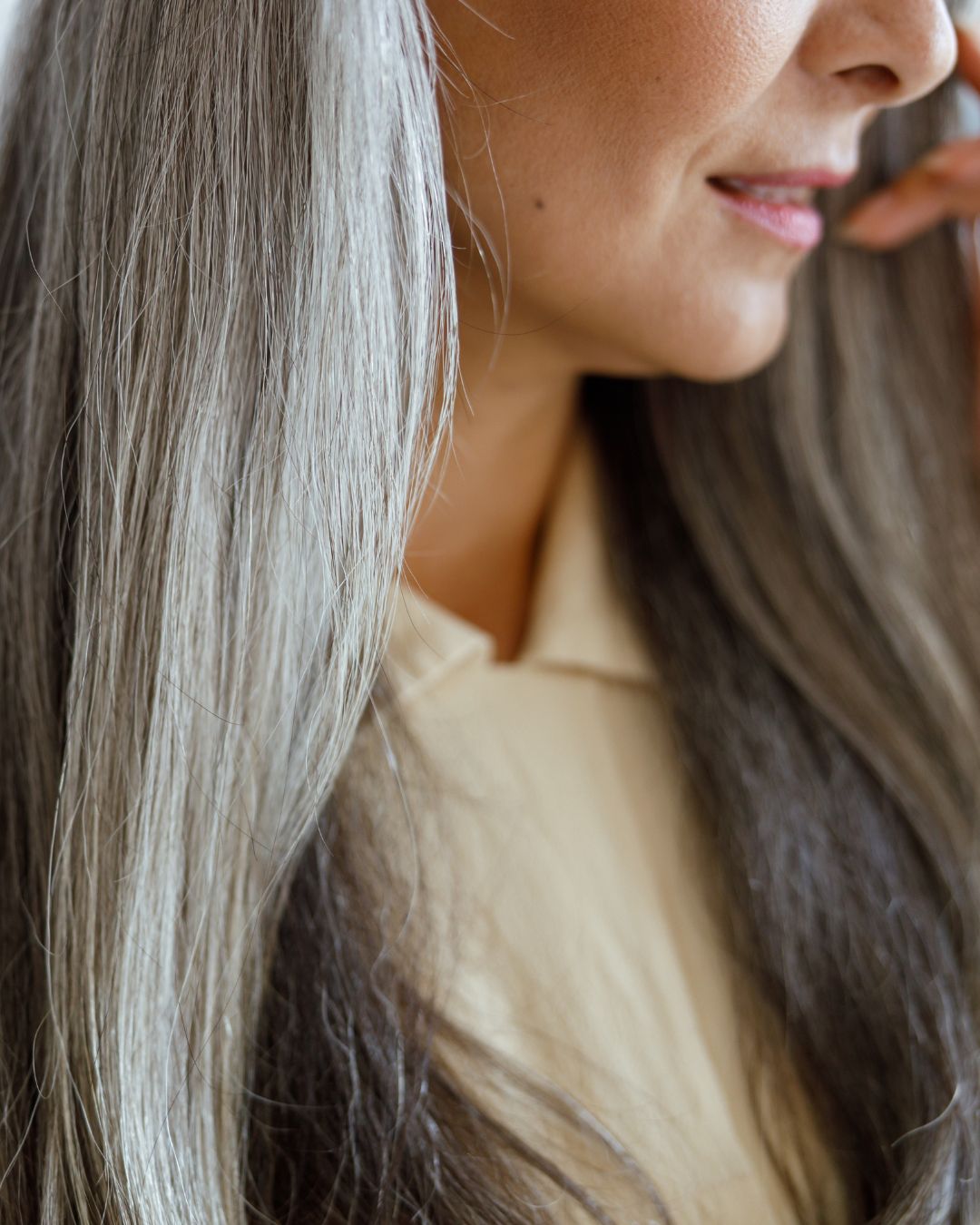
Hormonal shifts can contribute to thinning scalp hair and more noticeable facial hair. You may also notice changes in pubic hair.
Gentle haircare can help keep your scalp comfortable. Adequate nutrition, including enough protein and iron, also supports overall hair health.
If you notice significant thinning or increased shedding, speak with your GP. Hair loss can have several causes, and your doctor can assess whether blood tests or further investigation would be useful.
Vulval Skin Changes During Menopause: When to Seek Help
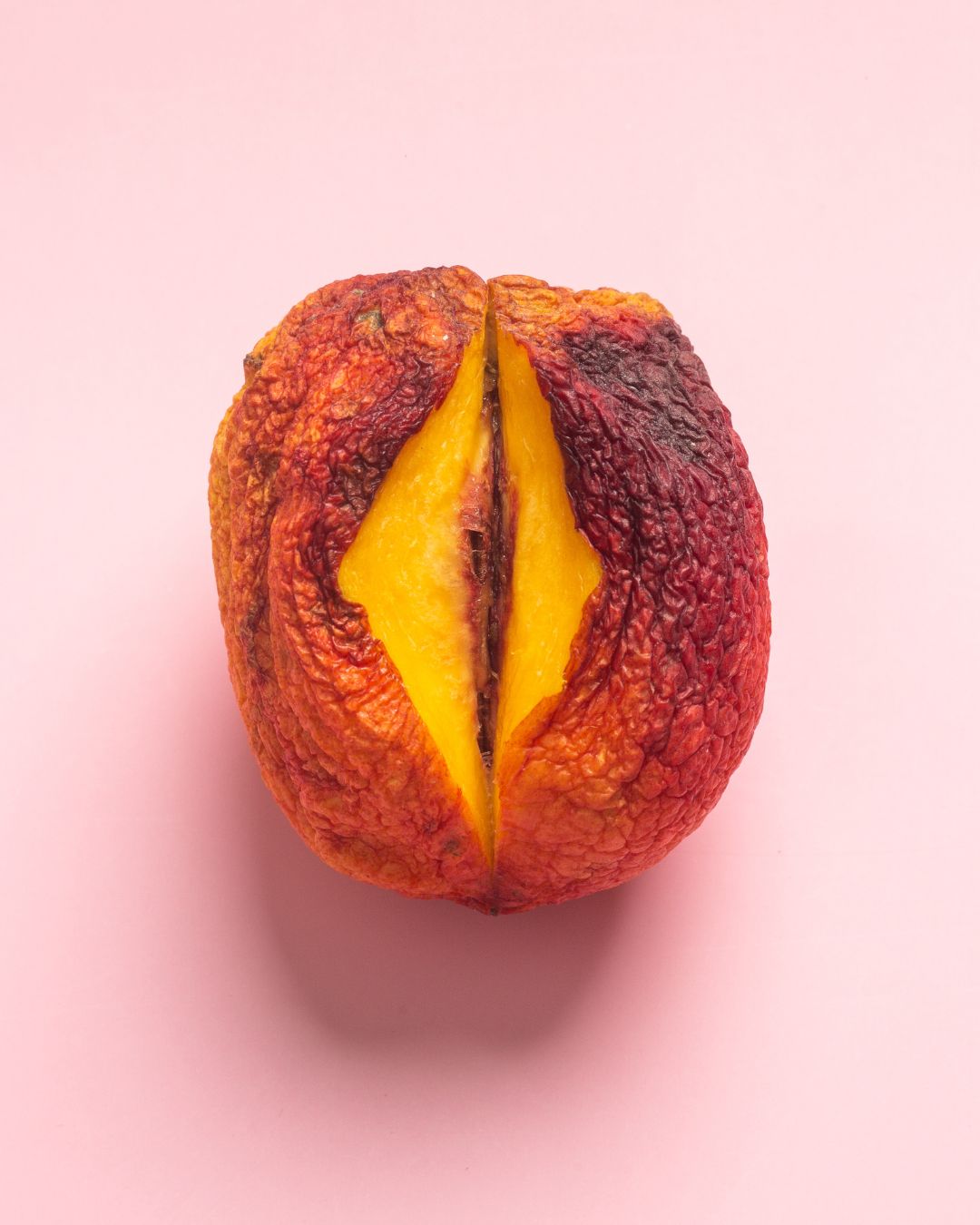
Vulval tissue is particularly sensitive to oestrogen. As levels decline, tissue in the vulval and vaginal area can become thinner, drier, and less elastic. Reduced lubrication can also make sex uncomfortable.
Speak with your GP or gynaecologist if you notice changes in colour or texture, new lumps, or ulcers or sores. Burning, persistent irritation, recurrent urinary tract infections, and discomfort with sex are also reasons to seek help.
These symptoms deserve assessment rather than being dismissed as something you have to accept with age.
What Helps With Menopause Skin Changes?
Start by looking at how your skin feels with your current routine. If it has become dry or sensitive, a simpler approach may be more comfortable.
Choose a gentle cleanser and apply moisturiser after washing. A fragrance-free formula containing glycerin or hyaluronic acid may help with dryness. Daily broad-spectrum sunscreen also remains an important part of caring for your skin.
If products are irritating your skin, ask a pharmacist, GP, or dermatologist for help reviewing your routine. Persistent symptoms may need targeted treatment rather than another skincare purchase.
Depending on your symptoms, professional support may include treatment for acne or ongoing itch, or a discussion about in-clinic options for skin quality. Your GP or gynaecologist can also advise on treatments for vulval and vaginal symptoms, including hormonal therapies where appropriate.
You don’t have to wait until symptoms become unbearable to ask for help. If something feels different or uncomfortable, it is worth discussing.
Follow Dr Yalda and visit the original post with Dr Nargis Noori for more on skin and women’s health through menopause.
Important: This content is for informational purposes only and does not replace professional medical guidance. Always consult a qualified healthcare provider for personalised advice.
Leave a Reply