

This article contains affiliate links. If you buy through one, we may earn a small commission at no extra cost to you. It never changes what we recommend.
Quick Summary: Skin protectants are a category of ingredients officially recognised by the FDA that help shield, soothe, and repair the skin’s surface. The list is longer than most people realise – and some of the entries might surprise you. If you’ve ever wondered why certain barrier-focused products work so well, the answer is usually somewhere on this list.
Important you know: Some of the links in this article provide White Rabbit Social a small commission, which goes towards fair pay for creatives and writers.
What Is a Skin Protectant?
Defined by the U.S. Food and Drug Administration, a skin protectant is: “A drug product that temporarily protects injured or exposed skin or mucous membrane surfaces from harmful or annoying stimuli, and may help provide relief to such surfaces.”
Here’s something that might reframe a lot of what you think you know about skincare ingredients.
I had a Biologique Recherche facial recently, and the aesthetician mixed baking soda into Masque Vivant to form a paste. I’d heard of BR doing that as part of their process – but I’d only ever really seen baking soda discussed in a negative context within the skincare community. Alkaline abrasive, too harsh, stay away, you know the drill.
And then I looked it up. The FDA recognises sodium bicarbonate as a skin protectant.
The National Eczema Association even suggests making a paste with it to relieve itching.
Baking soda has antibacterial, antiseptic, and anti-inflammatory properties – which, in a properly formulated context, makes a lot of sense.
The point isn’t that you should start rubbing baking soda on your face solo. It’s that there is always more to the story, and the skincare community’s relationship with ingredient nuance is… complicated.
The Official FDA-Recognised Skin Protectant List
So what exactly counts as a skin protectant?
The FDA’s OTC monograph includes the following, with approved concentration ranges:
- Allantoin (0.5-2%)
- Aluminum hydroxide gel (0.15-5%)
- Calamine (1-25%)
- Cocoa butter (50-100%)
- Cod liver oil (5-13.56%)
- Colloidal oatmeal (minimum 0.007%)
- Dimethicone (1-30%)
- Glycerin (20-45%)
- Hard fat (50-100%)
- Kaolin (4-20%)
- Lanolin (12.5-50%)
- Mineral oil (50-100%)
- Petrolatum (30-100%)
- Sodium bicarbonate
- Talc (45-100%)
- Topical starch (10-98%)
- White petrolatum (30-100%)
- Zinc acetate (0.1-2%)
- Zinc carbonate (0.2-2%)
- Zinc oxide (1-25%)
- Zinc oxide in ointment form (above 25-40%)
Percentages can vary when ingredients are used in combination. The key thing to understand is that this is a functional category – these ingredients work by forming a protective layer on the skin, reducing moisture loss, and helping the surface recover.
Popular Ones I love in Skincare
Calamine
There was a brief trend a while back where people were applying straight calamine directly to their skin. And too much of anything can be its own problem. But calamine in a properly formulated product is genuinely underrated.
K-beauty leans into calamine quite a lot – it shows up in soothing serums designed to calm inflammation and visually reduce redness. It’s one of those ingredients worth looking into if you feel like you’ve tried everything and your skin is still chronically inflamed, especially if it also tends to feel itchy.
I’ve particularly loved calamine serums for irritation around congestion and breakouts. Not a fix-everything ingredient, but a useful one that doesn’t get nearly enough credit.
Calamine Pick: Logically, Skin Calamine Purifying Ampoule, $60.00

A lightweight calming serum designed to help soothe visible redness and irritation without feeling heavy on the skin.
Glycerin
Glycerin is everyone’s favourite humectant, so there isn’t a huge amount of ground to cover here. But if you’re looking for a serum that really leans into it, Experiment Beauty’s Super Saturated is worth putting on your radar. It packs a punch in the best way.
Glycerin Pick: Exiperiment Super Saturated Hydrating Barrier Serum, $28.00

An intensely glycerin-heavy serum that works particularly well for dehydration and compromised skin barriers.
Zinc Oxide
Zinc oxide gets filed under SPF almost automatically, which is fair – it’s a physical UV filter. But it’s also a legitimate skin protectant in its own right, and that function tends to get overlooked entirely.
One product that does both well: the Ella Baché Breakout Treatment Cream, which blends zinc oxide with mineral oil. Full disclosure – it smells genuinely bad, and the white cast is mask-like at best. But when breakouts are extreme, it’s one of the few products that has consistently delivered. Sometimes that’s what you need.
Zinc Oxide Pick: Ella Baché Breakout Treatment Cream, $57.00

A very old-school breakout cream that combines zinc oxide with mineral oil to calm angry, inflamed breakouts.
Petrolatum
Pretty much the most effective option when your skin barrier has been seriously compromised. Vaseline and Aquaphor are the obvious classics, and they work – there is no better test of an ingredient than decades of use across every skin type.
More recently, Prequel Skin’s Utility Ointment offers a lighter, more modern take on the same concept if the original feels too heavy for everyday use.
And then there’s the longer view. Products like Nivea Creme and La Mer have stuck around for a reason. They actually moisturise properly. That’s not an accident – it’s because they’re built around ingredients that do what skin protectants are supposed to do.
Classic Occlusive Moisturiser Pick: NIVEA Creme Moisturiser Blue Tin, $5.99

An old-school occlusive moisturiser that still holds up.
Petrolatum Classic Pick: Aquaphor Healing Ointment, $20.00

A cult-favourite healing ointment that helps protect compromised skin and reduce moisture loss.
Luxury Barrier Cream Pick: LA MER Crème de la Mer Moisturising Cream, from $189.00

Proof that some of the most iconic luxury creams are still fundamentally built around classic skin protectant principles.
Modern Ointment Pick: Prequel Skin Utility Ointment Multi-Purpose Skin Protectant, $18.00

A lighter, more modern take on traditional petrolatum ointments.
The French Pharmacy Connection
French pharmacy skincare didn’t become a cultural obsession by accident.
At its core, the entire category is really about skin protectants. Cica creams, barrier balms, healing ointments – the reason they resonate is because they’re formulated around ingredients that have proven function, often at concentrations high enough to actually do something.
Though we like to pretend it’s a bit of mystique, It’s usually skin-loving glycerin, petrolatum, zinc oxide, and allantoin in well-designed formulations. Once you understand what skin protectants are, a lot of the French pharmacy hype starts to make a lot more sense.
Barrier Balm Pick: La Roche-Posay Cicaplast Baume B5+, $26.99
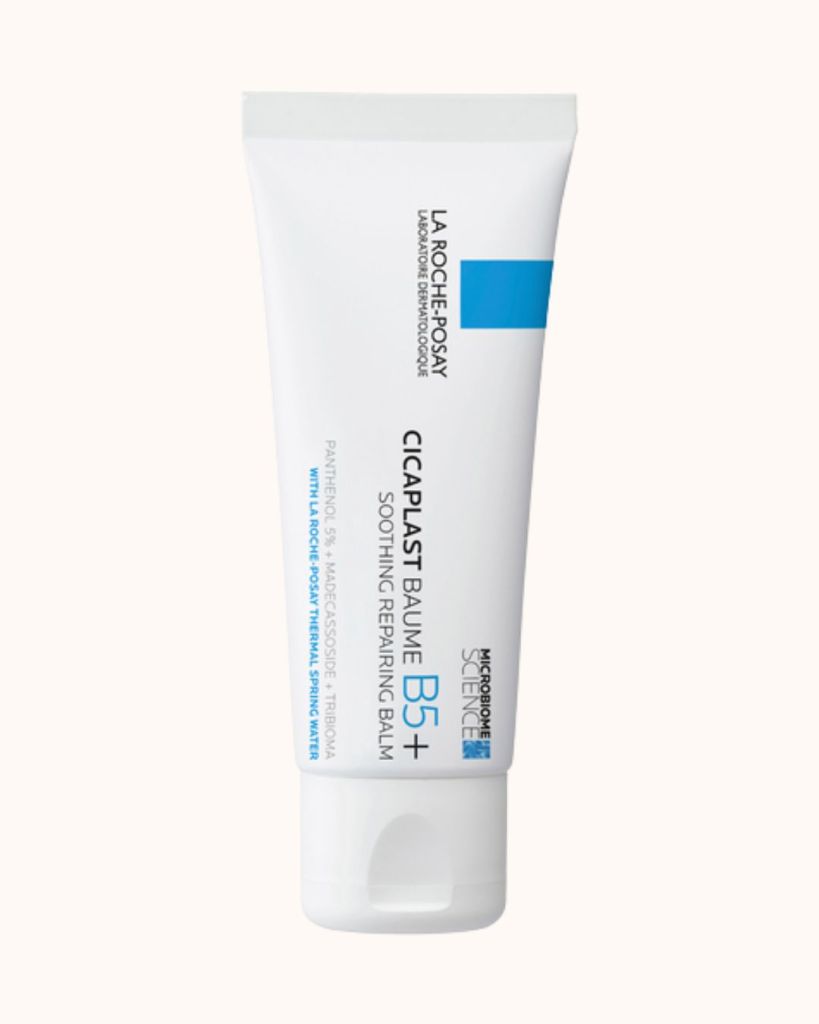
One of the most popular barrier creams in the world for over-exfoliated and sensitised skin.
Restorative Cream Pick: Avène Cicalfate+ Restorative Protective Cream, $41.99

A richer restorative cream designed to help support irritated skin.
Lightweight Moisturiser Pick: Embryolisse Lait-Crème Concentré, $48.00

A makeup artist favourite that quietly leans into classic protective moisturising ingredients.
Soothing Repair Pick: BIODERMA Cicabio Crème+ Ultra-repairing, Soothing Cream, $23.99
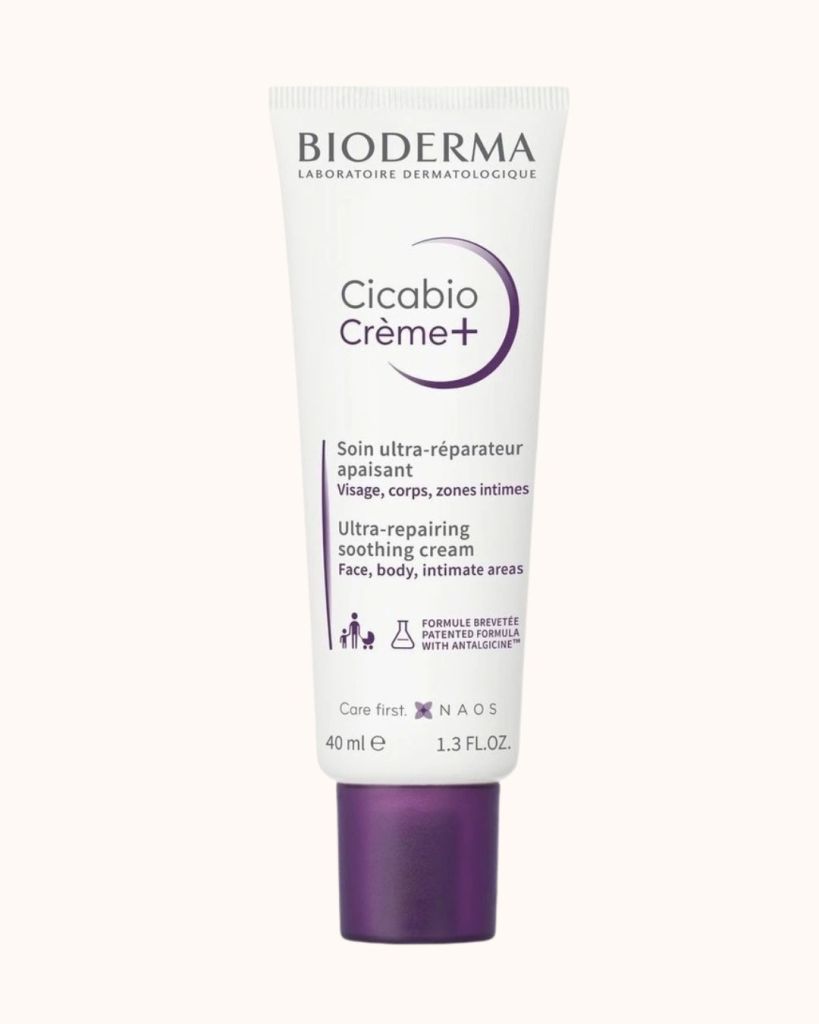
A soothing barrier-focused cream designed for weakened or reactive skin.
A Note on Clean Beauty
Part of the reason clean beauty has been losing ground – and why its decline has been, honestly, satisfying to watch – is that it actively discouraged people from using ingredients that protect the skin.
Petrolatum labelled as a toxin. Mineral oil treated like a contaminant. Dimethicone framed as something your skin needed to be rescued from. None of it was grounded in evidence, and the practical effect was that people avoided some of the most effective and well-studied ingredients in skincare.
The good news is that the pendulum has swung. Skin barrier repair is mainstream. Slugging is unremarkable. Petrolatum is back in the conversation. And ingredients like colloidal oatmeal and zinc oxide are getting proper credit for what they actually do.
Read: Damaged Skin Barrier: Signs, Causes, And How to Repair It
Related Reading
- The Best Skin Barrier Repair Products Worth Knowing About
- All About French Cica Creams, And Why They’re Different From Korean Centella Creams
- What Do Ceramides Do? Why Your Skin Can’t Live Without Them
Frequently Asked Questions
What does a skin protectant do? Skin protectants help reduce moisture loss, form a protective layer on the skin’s surface, and support the barrier’s ability to recover from damage or irritation.
Is glycerin a skin protectant? Yes – glycerin is FDA-recognised as a skin protectant at concentrations between 20-45%, in addition to its well-known role as a humectant.
Is baking soda safe for skin? In its own right, baking soda is recognised by the FDA as a skin protectant and is suggested by the National Eczema Association as a paste to relieve itching. That said, how it’s formulated and used matters – using it alone as a DIY exfoliant is a different conversation to how it’s used by a trained aesthetician within a professional treatment.
What is the best skin protectant for a damaged barrier? Petrolatum is widely considered one of the most effective options for a seriously compromised skin barrier. Aquaphor and Vaseline are the most accessible, with newer formulations like Prequel’s Utility Ointment offering a lighter alternative.
Are French pharmacy products just skin protectants? At their core, yes. French pharmacy favourites typically centre ingredients like glycerin, petrolatum, allantoin, and zinc oxide – all recognised skin protectants. The formulations are often well-balanced and effective rather than trend-driven.
Important: This content is for informational purposes only and does not replace professional medical guidance. Always consult a qualified healthcare provider for personalised advice.
A note from WRS: This article was shared with permission from the author’s social profile. If you resonate with this creator’s content we highly encourage you to visit their profile and consider following and supporting them on their platform.
Leave a Reply