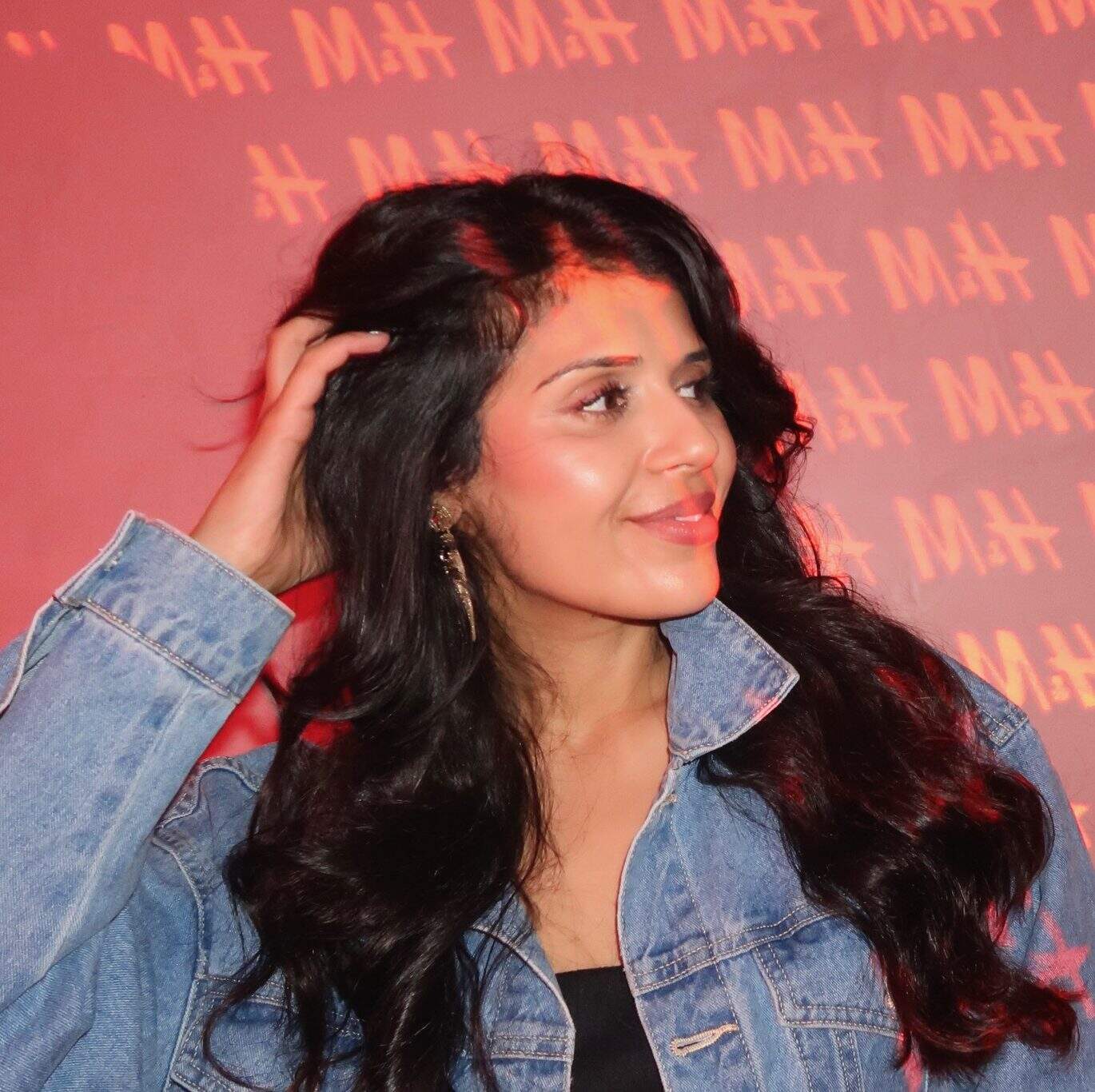
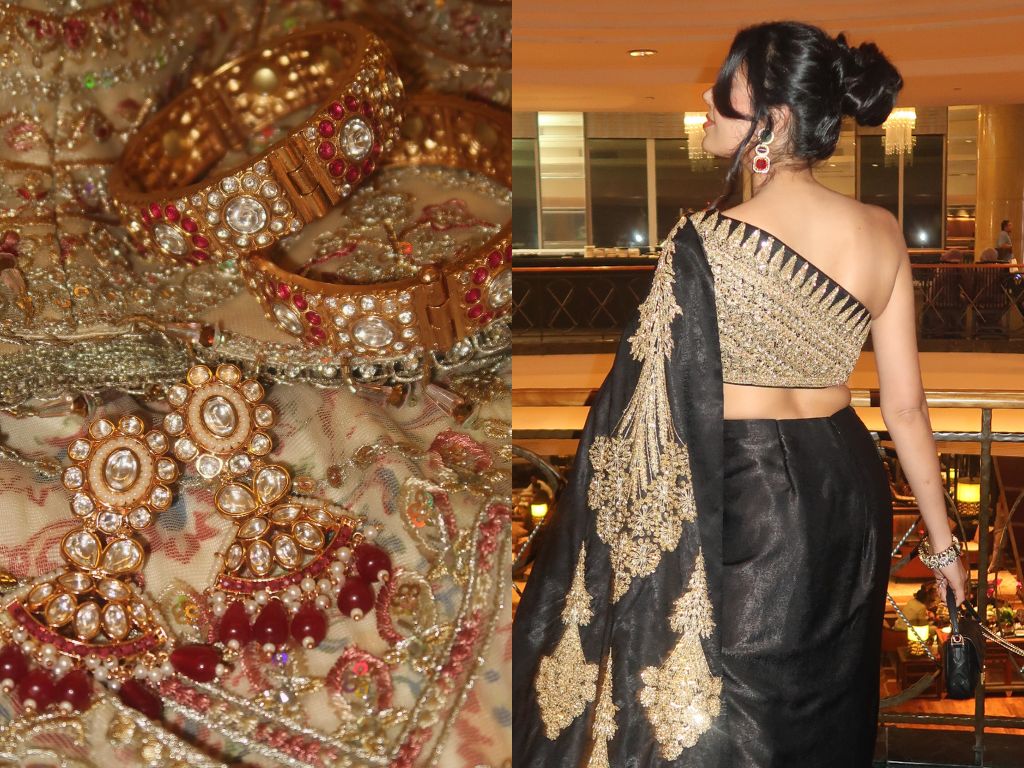
You know what’s actually cool? Acknowledging where your beauty trends come from.
There’s a certain kind of girl you’ll see all over your feed right now. Hair slicked back into a tight bun, gold hoops, glowy skin, minimal makeup.
They’ll call it the “clean girl aesthetic.” And every time I see it, I have the same thought… you mean how my mum used to do my hair before school?
Because here’s the thing. A lot of what’s trending right now in beauty, fashion, even “wellness” isn’t new. It’s just been renamed, reframed, and reintroduced in a way that feels more palatable.
And more often than not, it has South Asian roots.
What Coachella “Rebrands” Every Single Year

Every year, Coachella Valley Music and Arts Festival rolls around and suddenly we all enter our “boho era.”
Flowy skirts, beaded tops, stacked jewellery, headscarves, face adornment.
And if you’re Desi, you already know what’s about to happen.

Bindis will quietly make a return.
“Scandi scarves” will start trending again.
Long skirts and crop tops will take over moodboards.
And you’ll be watching it all thinking… this feels very familiar.
Because the “Scandi scarf” is basically a dupatta. The beaded halter tops look a lot like cholis. The long skirt moment feels very lehenga-coded, just without anyone actually saying it. And listen, I’m not mad that people want to wear it. Of course they do. It’s beautiful.
Read: Neha Shares Her Journey Navigating the Aussie Beauty Industry as a South Asian
Desi Beauty Rituals Were Never Just a Trend
Let’s just say it plainly. South Asian women have always known how to do beauty. The hair. The skin. The jewellery. The layering. There’s intention behind it. Ritual behind it. History behind it.

Hair oiling wasn’t a “Sunday reset,” it was your mum warming oil in the kitchen and massaging your scalp like it was second nature. Turmeric wasn’t a brightening hack, it was part of ceremonies and healing and something passed down through generations.
Saffron wasn’t something you discovered on TikTok, it was something your auntie swore by long before it was considered luxury. And slicked-back buns… we didn’t need a tutorial for that. We had humidity.
When The Aesthetic Goes Viral But The Woman Doesn’t…
What makes this conversation a little uncomfortable is that it’s not just about trends, it’s about timing. Because for a long time, the people attached to these practices weren’t seen as aspirational. And in Australia, that context matters more than people like to admit.
This is still a country where whiteness quietly sets the baseline for beauty. For what gets described as clean, polished, effortless, desirable.
Everything else tends to get filtered around that. And not all ethnicities are treated the same either. Some are fetishised, some are exoticised, some are celebrated when they feel “just different enough” to be interesting but still close enough to whiteness to feel safe.

Others are treated as too much, too foreign, too traditional, too brown.
That’s the part people don’t always say out loud. Because racism in beauty doesn’t always show up in obvious ways. Sometimes it’s in what doesn’t happen. Who doesn’t get picked. Who doesn’t get centred. And as a South Asian woman in Australia, you feel that contradiction in a very specific way.
What Nobody Says Out Loud
I’ve had people compliment my hair endlessly. Ask what I do to it, tell me it’s so thick, so healthy, so beautiful. There’s this fascination with the rituals, the oiling, the care. But those same rooms didn’t always turn into opportunities.
They didn’t always turn into brand deals or long-term partnerships or being seen as the obvious face of beauty.

And there’s rarely a clean reason you can point to. No one says anything directly. It’s more of a pattern.
You notice when parts of your identity are trending but you aren’t. You notice when people love the aesthetic but don’t necessarily choose the woman it comes from. It’s subtle, but it’s there. That feeling of being close to the trend, without being centred in it.
Hair Oiling, Turmeric, Bindis…What’s Actually Happening?
Once you see it, you can’t really unsee it. Hair oiling is now positioned as luxury wellness, but for many of us it was routine, sometimes inconvenient, sometimes forced, always normal.
Turmeric and saffron are now hero ingredients, but they’ve been part of South Asian rituals for centuries, not as quick fixes but as something slower and more intentional. The slicked-back bun is now “clean girl,” but for a lot of us it was just practical and not always considered stylish at the time.

And bindis… this is where it gets layered. Because they’re not just decorative. They carry meaning. So when they show up at festivals as face gems, it can feel like something meaningful being reduced into something aesthetic. Pretty, but disconnected.
Appreciation vs Appropriation: It’s Not That Complicated
This isn’t about gatekeeping or saying people shouldn’t wear these things. Beauty has always been shared and influenced and reinterpreted. But there is a difference between appreciation and erasure.
And acknowledging where something comes from is the easiest thing you can do. It’s one sentence. Saying this look is inspired by South Asian styles. Saying this technique has roots in Indian beauty traditions. That’s it. That’s the difference between wearing something and respecting it.
So, What Does Crediting Actually Look Like?
If you really want to understand this conversation, just watch what happens over the next few weeks. Watch how quickly certain looks re-emerge, how they’re styled, how they’re named, who wears them and how they’re received. And then ask yourself… do we know where this comes from? Or are we just calling it something new?
And this isn’t coming from a place of scarcity. It’s not don’t wear it. It’s not this is only ours. It’s more like… of course you’re drawn to it. Of course you think it’s beautiful. We do too. We always have.
The truth is, Desi girls have always had a baddie aesthetic.
The world is just catching up. And I get why. The fashion, the beauty, the hair, it’s rich, it’s detailed, it’s expressive. So babe, wear it. Try it. Style it. Make it your own. But credit us. Because it didn’t just appear out of nowhere. It came from somewhere. And it’s always been cool.
Related Reading
- 9 Brown-Australian Creators You Need on Your Social Feeds
- 6 Asian-Australian Beauty Creators Who Make Content You Need to See
- Professional Makeup Artist Prunela Castelino Tells us How to Make Brown Skin Shine With Makeup

Leave a Reply