

Exosomes in skincare are quickly becoming one of the most talked-about ingredient developments in beauty.
They’re appearing in serums, eye creams, and clinic-adjacent treatments, often marketed as supporting regenerative processes at a cellular level, helping collagen function and overall skin resilience.
New ingredient trends tend to outpace evidence, so context matters.
Often, supporting actives and realistic expectations matter just as much as the headline skincare technology itself.
Let’s jump into what’s exciting about exosomes, what to keep in mind, and a few products we’ve seen that have impressive formulations.
What Are Exosomes In Skincare?
Exosomes are tiny sacs naturally released by cells that carry proteins, lipids, antioxidants, and genetic material. In the body, they act as messengers between cells, helping coordinate responses linked to overall tissue maintenance.
In skincare, exosomes are usually plant-derived, fermentation-derived, or lab-engineered rather than human stem-cell based.
They’re included in formulations with the aim of supporting hydration, visible ageing concerns, barrier function, and overall skin resilience.

Benefits also may come from what they carry – often familiar actives like antioxidants, peptides, lipids, and hydrators that already have established roles in skin health – which varies depending on how the exosomes are sourced.
The idea that exosomes themselves improve cellular communication in topical skincare is promising, but research into stability, penetration, and real-world effectiveness is still evolving.
Why Exosomes Are Suddenly Everywhere
Part of the rise of exosomes in skincare is scientific, but part is cultural. Consumers are increasingly ingredient literate and often looking for innovation beyond familiar actives like vitamin C, retinol, or peptides.

That interest overlaps with:
- Longevity and preventative ageing culture
- Biohacking and optimisation trends
- Interest in clinic-inspired skincare
- Demand for high-performance formulas with lower irritation
At industry events like In-Cosmetics 2025, exosomes and advanced delivery systems dominated ingredient conversations.
Our 2026 skincare trend reporting at White Rabbit Social highlighted how brands are pairing them with encapsulation technologies, micro-carriers, and slow-release systems to improve efficacy and tolerability.
So while the hype is real, it isn’t coming out of nowhere, and has roots in the longevity world and wider medical technology.
How Exosomes Actually Work On Skin
Unlike exfoliating acids or retinoids that directly increase cell turnover, exosomes are generally framed as signalling ingredients.
They may help skin cells communicate more effectively, potentially supporting repair pathways, collagen signalling, and inflammatory balance.
Read: How Long Does Skincare Take to Work? A Realistic Timeline for *That* Viral Ingredient
Commonly cited benefits include:
- Supporting collagen and elastin pathways
- Helping calm redness and sensitivity
- Improving hydration and barrier resilience
- Supporting recovery after cosmetic treatments
It’s important to note that most strong exosome formulas also contain antioxidants, peptides, hydrators, and barrier-support ingredients. Those supporting actives often contribute significantly to visible results.
Exosomes Vs Peptides – Are They Competing?
Not really in terms of function, but perhaps in terms of marketing and hype.
Peptides are short chains of amino acids designed to trigger specific skin responses, often related to collagen production, elasticity, or barrier repair.
Exosomes act more like delivery systems, carrying signalling molecules, antioxidants, lipids, and proteins that may influence cellular communication.
Read: Everything you Need to Know About Peptides And How to use Them
They can absolutely coexist in the same routine – and often do.
From a practical skincare perspective, it’s usually smarter to prioritise outcomes first rather than individual trending ingredients.
If your focus is pigmentation, acne, barrier repair, or ageing concerns, start with proven actives that address those directly. Exosomes can then sit alongside those without disrupting an effective routine.
Many modern formulations already combine peptides, antioxidants, hydration complexes, and exosome technologies because they support complementary pathways in the skin.
Why Well-Rounded Formulas Matter
Across the category, one pattern is consistent: the strongest exosome products rarely rely on exosomes alone.
Terri Vinson Jones, founder of Synergie Skin, has described exosomes as “the next frontier in cellular rejuvenation,” but she has also emphasised that simply jumping on trends isn’t enough.
Her AlgiZome formula, for example, combines biomimetic exosome technology with marine bioferments, anti-glycation peptides, antioxidants, and the brand’s Tridration® Complex to support hydration, barrier resilience, and overall skin function.

Dermalogica’s exosome serum takes a similar approach, combining regenerative exosomes with exfoliating enzymes, botanical hydrators, antioxidant support, and barrier-friendly actives.
Boost Lab has taken a more accessible route, pairing cauliflower-derived exosomes with peptides, collagen-support ingredients, and hydration actives.
The brand highlights both clinical testing and consumer trials supporting firmness, wrinkle reduction, and hydration outcomes.
Read: What Do Ceramides Do? Why Your Skin Can’t Live Without Them
Across price points, the message is consistent. Balanced formulas tend to perform better than single-ingredient hero claims.
Exosome Products Worth Watching
Note: This article contains affiliate links. They help support independent beauty journalism but do not influence editorial opinions.
Dermalogica Phyto Nature Exosome Exfoliation Serum, $266.00
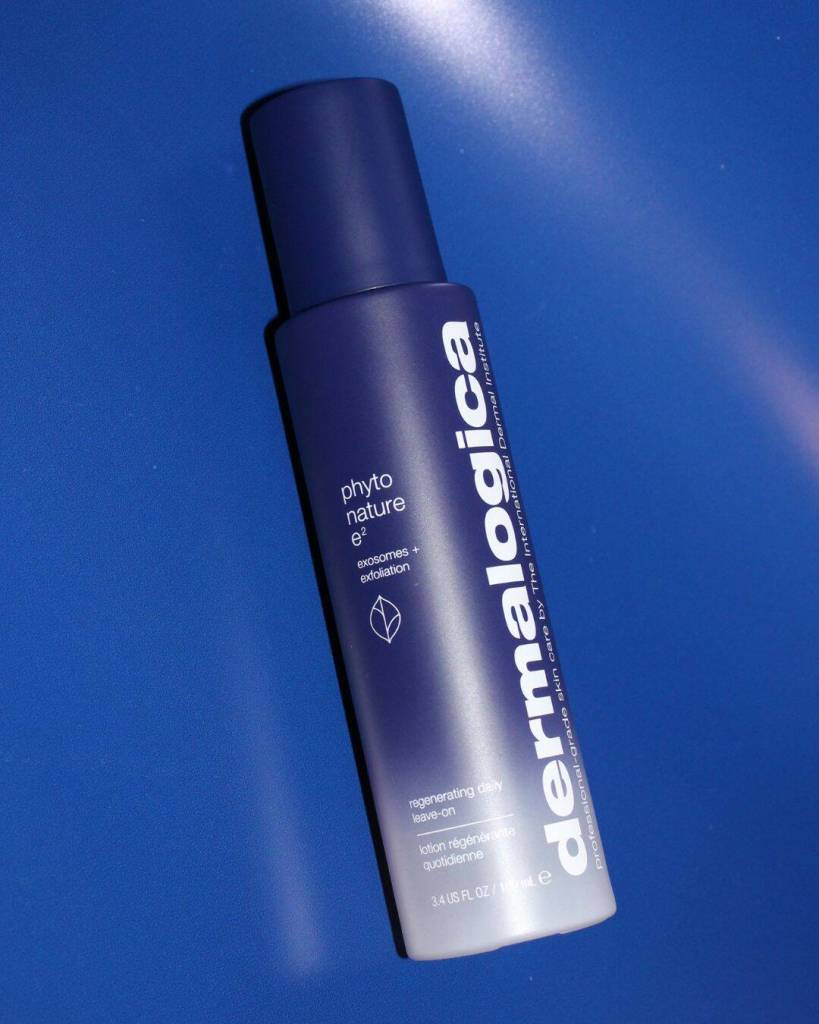
This formula combines exosome technology with pumpkin enzymes, prickly pear extract, phyto glycogen, and antioxidant support. The resurfacing component adds immediate texture refinement while the regenerative focus targets longer-term skin resilience.

Features we love:
- Antioxidant support alongside exosome technology
- Enzyme resurfacing for smoother texture
- Hydration and barrier-support ingredients built in
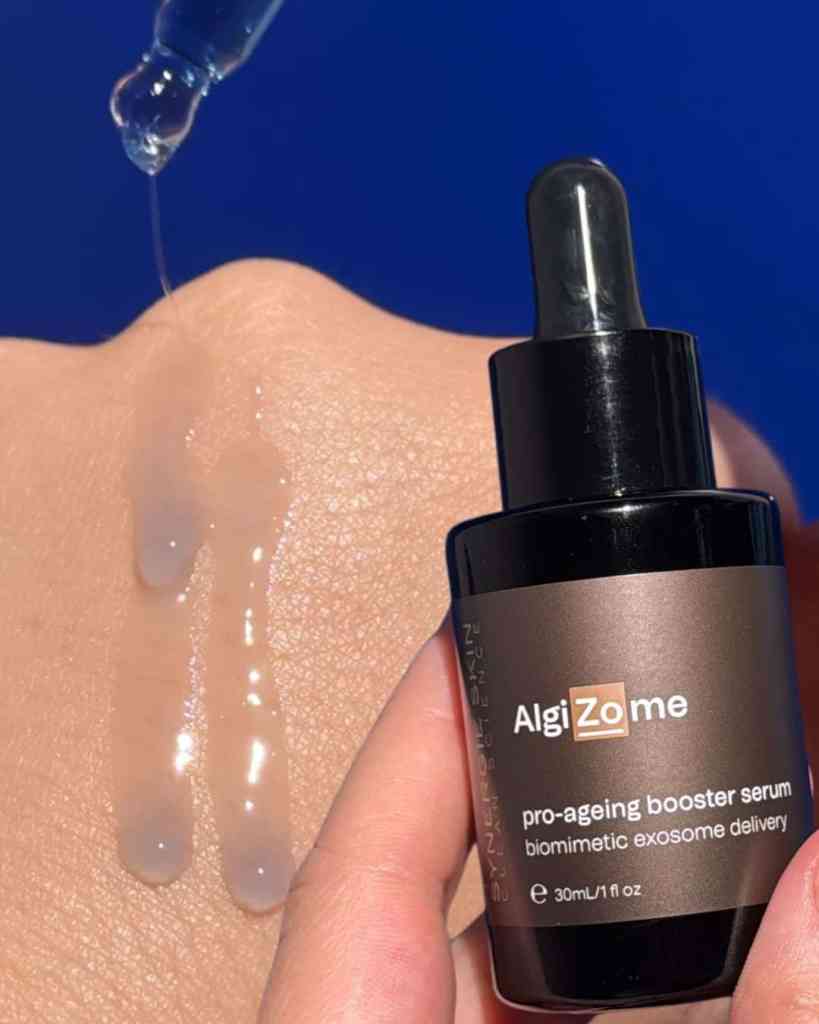
Synergie Skin AlgiZome Pro-Ageing Exosome Skin Booster, $120.00

Powered by biomimetic microalgae-derived exosomes, this serum pairs regenerative signalling technology with marine bioferments, anti-glycation peptides, antioxidants, and hydration complexes. It’s positioned as a resilience-first, long-term skin health formula.
Features we love:
- Biomimetic exosome delivery technology
- Barrier-strengthening marine bioferments
- Peptide and hydration synergy for skin longevity
Boost Lab Collagen Plump Eye Cream, $36.00
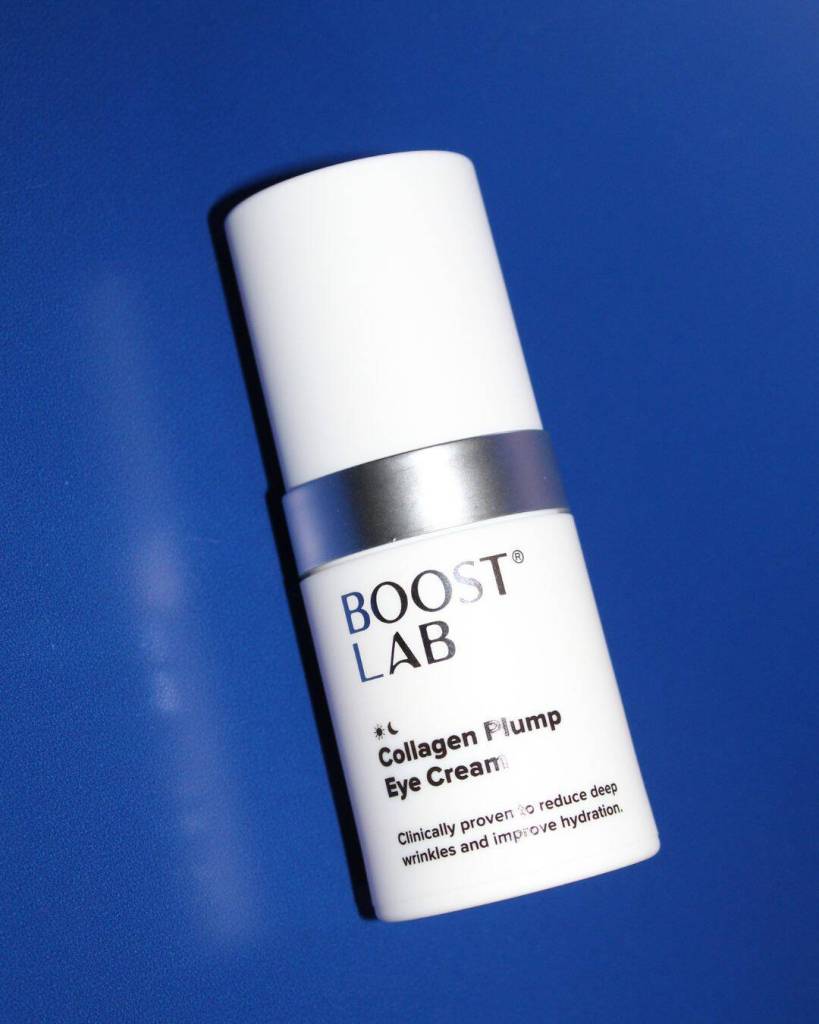
This eye treatment combines cauliflower-derived exosomes with multi-peptide collagen support and hydration actives. Clinical and consumer testing suggests visible improvements in firmness, wrinkle depth, and brightness over several weeks.

Features we love:
- Clinically supported wrinkle reduction claims
- Peptides supporting firmness and hydration
- Accessible entry point into exosome skincare
Are There Downsides To Exosome Skincare?
Research into topical exosomes is still developing. Experts continue to discuss stability, penetration, standardisation, and long-term outcomes.
Marketing claims can sometimes move faster than evidence with emerging ingredients.
Other considerations include:
- Possible irritation for sensitive users
- Variation in formulation quality
- Limited long-term independent clinical data
Patch testing is still a sensible step with any new active.
How To Use Exosome Skincare
Most exosome skincare products fit easily into existing routines, but how you use them depends on the format.
Serums are typically applied after cleansing, while creams or eye products can follow moisturiser steps, and exfoliating formulas should always be used according to their specific directions.
If exosomes are paired with active ingredients like acids, retinoids, or peptides, it’s important to treat the product as you would any active formulation – consider whether daily use suits your skin or if a few times a week feels more balanced, and always follow packaging guidance to avoid overdoing it.
The Bottom Line On Exosomes In Skincare
Exosomes in skincare are an interesting development in delivery systems and regenerative cosmetic science. They align with broader trends around longevity, optimisation, and performance-driven formulations.
But strong skincare still relies on fundamentals.
Antioxidants, barrier support, hydration, sun protection, and proven actives remain essential.
Exosomes can add value, particularly in well-formulated products, but they’re best viewed as supportive technology rather than miracle solutions.
What do you think, will you be trying any skincare with exosomes?
Let us know, we’re all ears.
WRS Team x
Leave a Reply