
This article contains affiliate links. If you buy through one, we may earn a small commission at no extra cost to you. It never changes what we recommend.
If you’ve ever searched for a in-flight skincare on TikTok or wondered how to keep skin hydrated on a plane, this isn’t in your head or a recent trend. According to skin professionals, flying creates one of the most dehydrating environments your skin can experience.
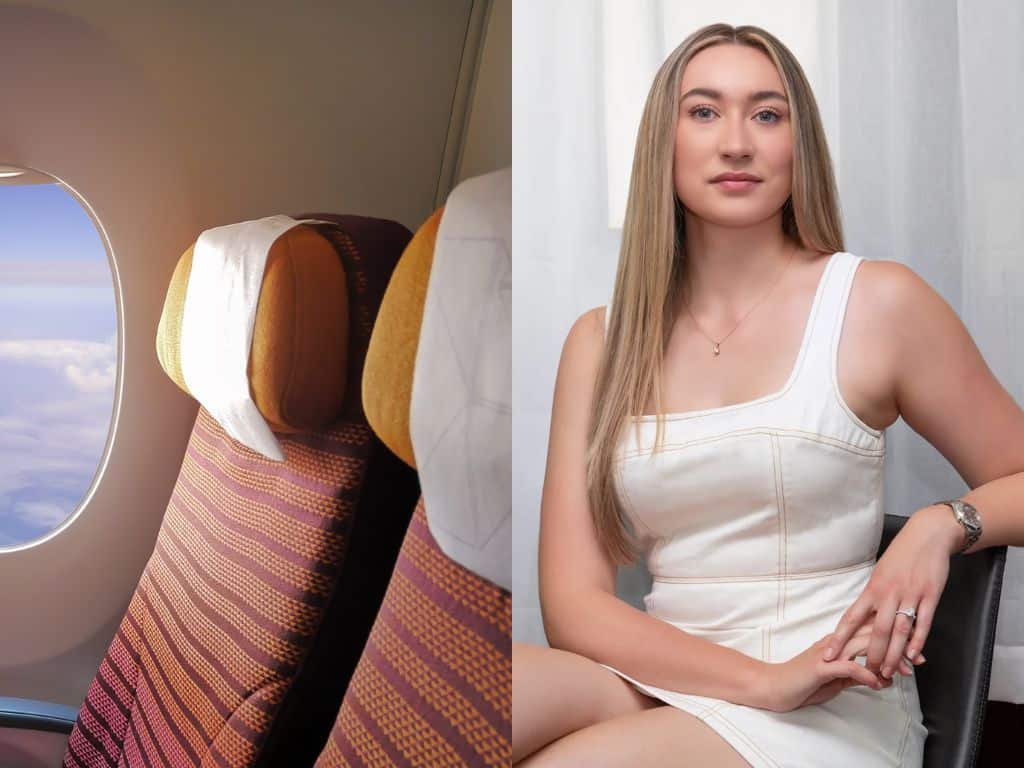
We’ve asked Elisa Osmo, Advanced Dermal Therapist and Founder of Glow Medispa about what actually happens to your skin mid-flight, why travel breakouts aren’t the same as purging, and how to actually protect your skin barrier when flying, without the 15 steps.
Why Flying Dries Out Your Skin So Quickly
“Plane air” or “Plane skin” as dubbed by Elisa isn’t jet lag showing up early. At cruising altitude, the aircraft cabin humidity can drop below 20 percent – similar to desert conditions.
That dry air pulls water straight out of the skin, while other in-flight factors work to compromise your skin barrier.
What’s Happening to Your Skin Mid-Flight:
- Low cabin humidity accelerates moisture evaporation
- Air pressure can affect circulation and oxygen delivery (hence the stale air feel)
- UVA rays penetrate plane windows, increasing oxidative stress
- Poor sleep slows skin repair processes
- Alcohol and caffeine can intensify dehydration or skin flushing
Together these factors create a perfect storm for dehydration, sensitivity, and post-flight breakouts.
Signs Your Skin Is Travel-Strained (Not Just Dry)
Travel-related skin stress doesn’t always look like obvious flaking.
Common signs can also include:
- Tightness or discomfort
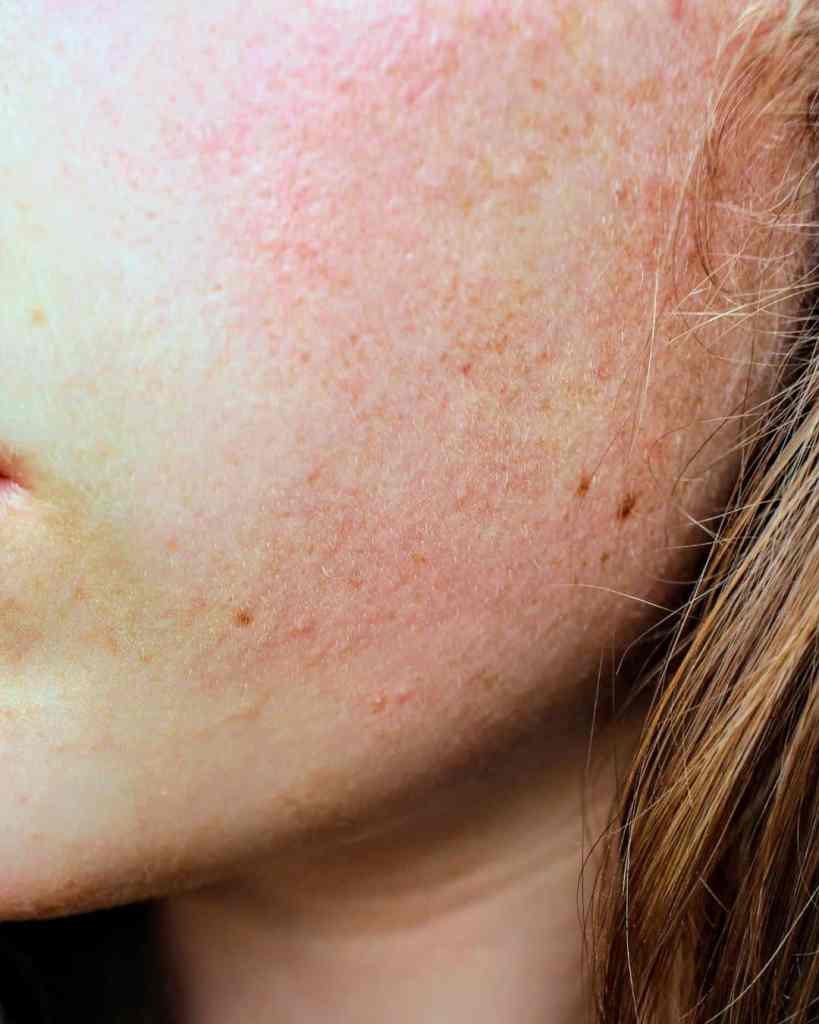
- Redness or increased sensitivity
- Dullness and loss of bounce
- Increased oil production as skin overcompensates
- Breakouts appearing after landing
If this sounds familiar, your skin barrier is likely compromised – and asking for support. Don’t be tempted to jump into your usual blemish fighting routine.
Skin Purging Vs Travel Breakouts: What’s The Difference?
One of the most common questions people ask is whether flying can cause skin purging.
True purging is triggered by specific active ingredients that speed up cell turnover, such as retinoids or chemical exfoliants. Travel itself does not cause purging.
What does happen is barrier disruption thanks to changes in climate, dehydration, stress, sleep, and routine can trigger breakouts that feel like purging, but are actually inflammatory or congestion-based responses.
A useful rule of thumb:
- Purging usually follows the introduction of new active products
- Travel breakouts are linked to environmental stress, dehydration and routine disruption
This distinction matters, because treating barrier stress with more actives often makes things worse.
The Biggest In-Flight Skincare Mistake
When skin feels tight, congested or unpredictable, the instinct is to do more.
Layer more serums. Add acids. Reach for retinoids. Exfoliate harder. According to Elisa, flying is not the time to push your skin – it’s the time to protect it and do your best in the environment you’re in.
A barrier-first approach helps your skin retain hydration when the environment is actively working against it. This also means the days leading up to your next long-haul flight matter, too.
In-Flight Skincare: How To Keep Skin Hydrated On A Plane
If your goal is to keep skin hydrated on a plane, simplicity matters most.
What Actually Helps During a Flight:
- Barrier creams with ceramides to lock moisture in
- Hyaluronic acid, always sealed with moisturiser
- Hydrating facial mists with humectants to replenish moisture
- If you’re breakout prone, a Hypochlorous Acid spray might be a welcomed edition
- Sunscreen, especially if seated near a window, as UVA can still penetrate glass
- Lip balm and eye cream, as those delicate areas lose hydration fastest
Elisa’s go-to travel tip is refreshingly simple however: apply a generous amount of a hydrating sleeping mask before take-off, then lightly mist and re-seal throughout the flight as needed.
Hydrating Masks We Love For Long-Haul Flights:
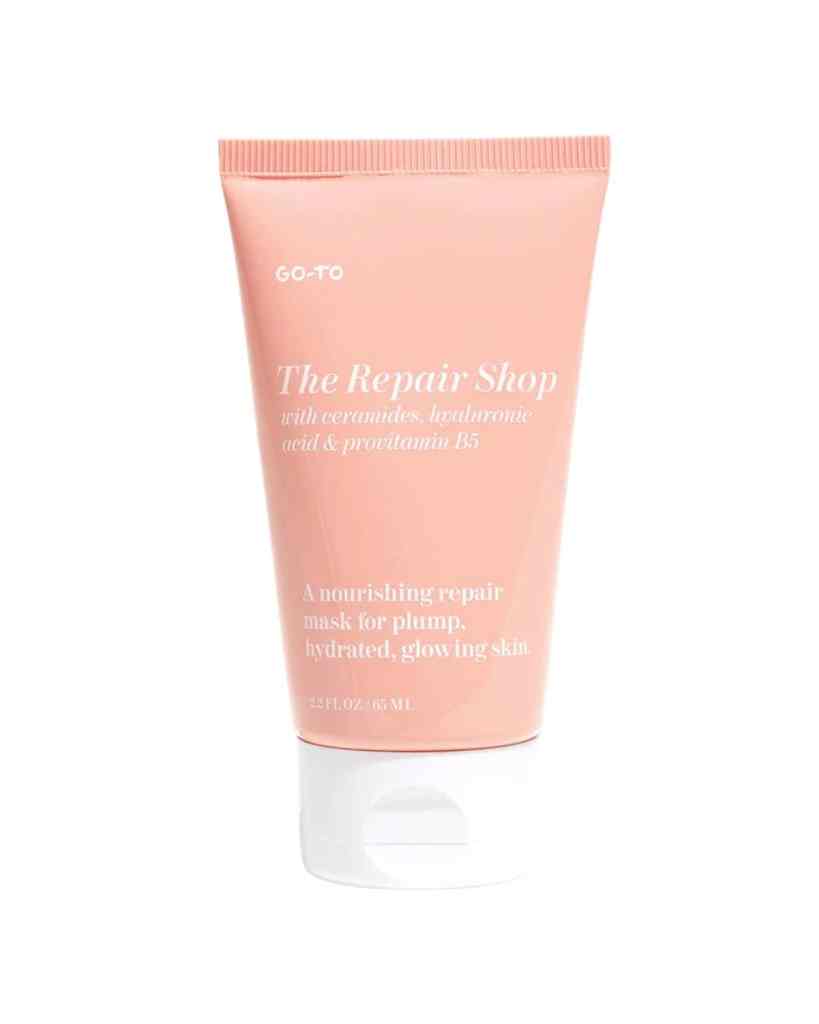
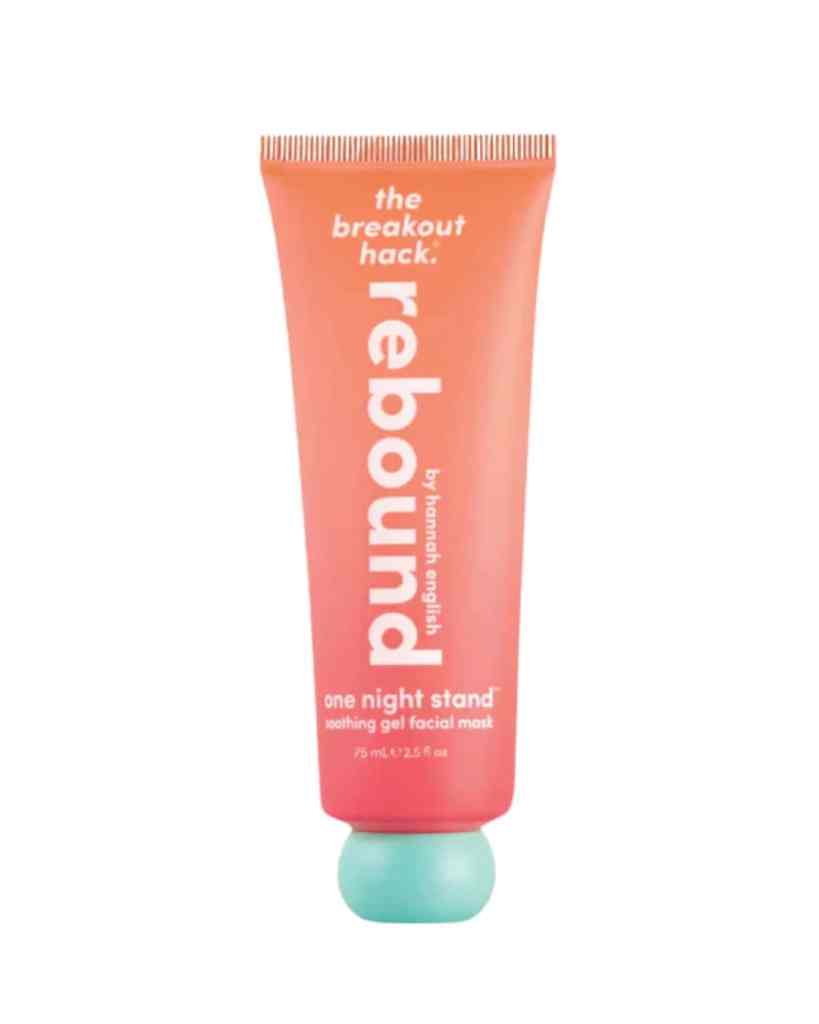
The Breakout Hack Rebound One Night Stand Soothing Gel Facial Mask
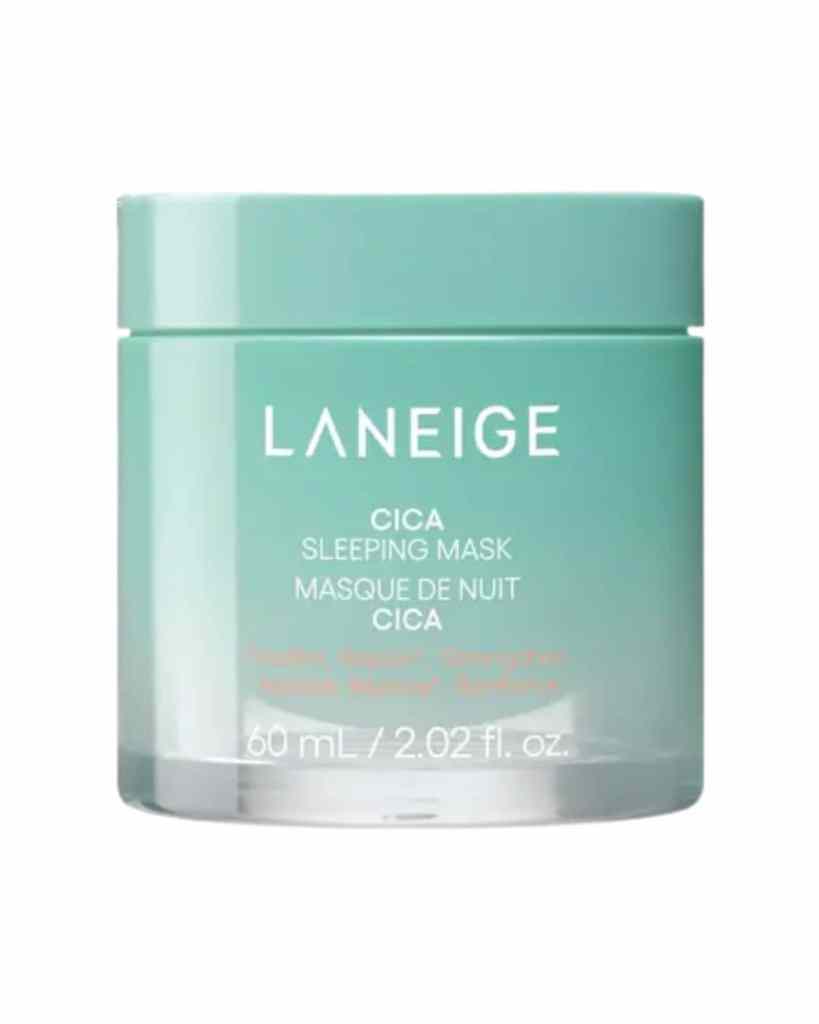
Laneige Cica Sleeping Mask
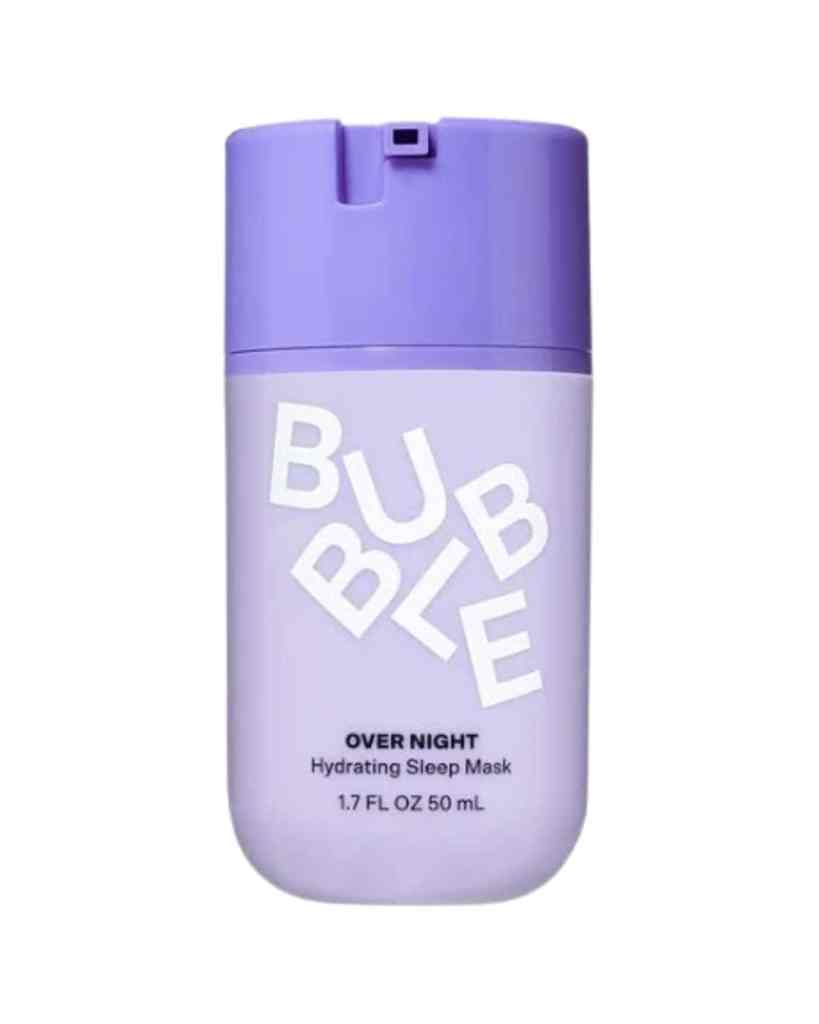
Bubble Skincare Over Night Hydrating Sleep Mask
Should You Wash Your Face On A Plane?
Most experts advise against using airplane bathroom sink water due to hygiene concerns.
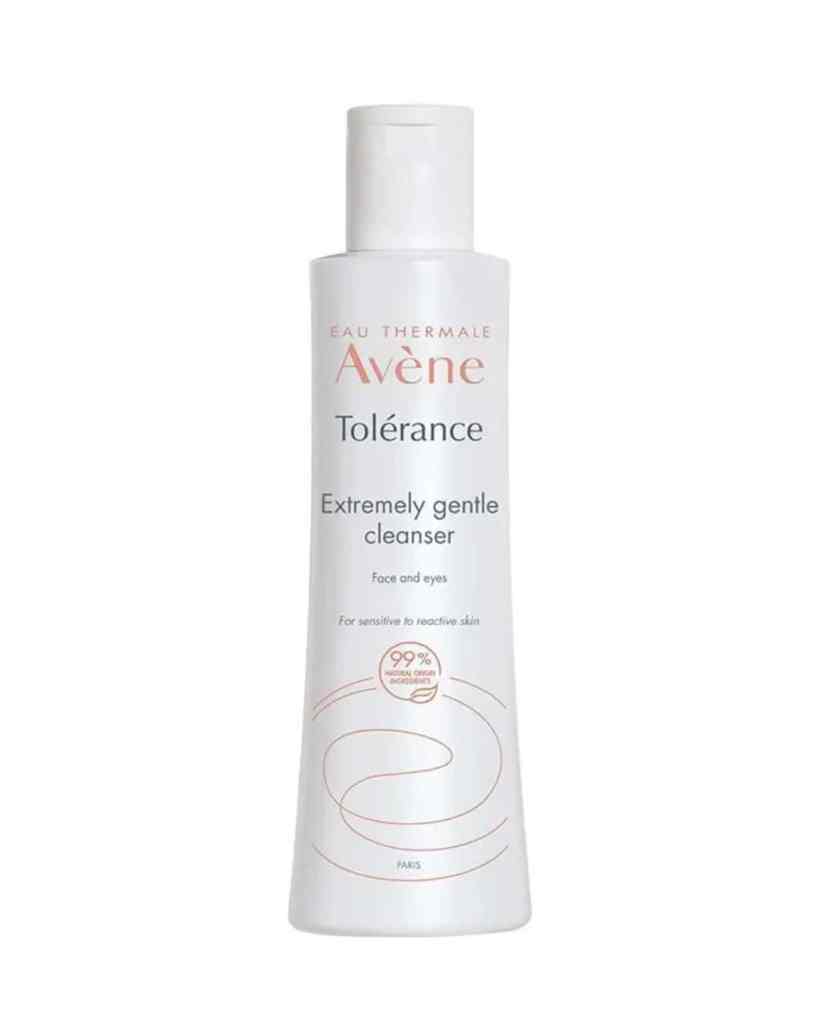
If your skin needs refreshing mid-flight, a no-rinse cleanser or a gentle mist is a better option than cleansing, which can strip already dehydrated skin.
No-Rinse Cleansers we Love That Are Great For Flights:
Garnier Micellar Cleansing Water

BIODERMA Sensibio H2O Micellar Water


How To Prevent Skin Breakouts When You Travel
Breakouts during or after travel are common – but they’re not inevitable.
What to Avoid Before And During Flying
- Retinoids or high-strength exfoliants
- Over-cleansing or stripping foaming cleansers
- Heavy makeup that traps sweat and bacteria during long flights
Staying hydrated and keeping your routine consistent reduces the likelihood of inflammation-driven breakouts, and helps support your skin for the stress it’s about to go through.
Exfoliation And Travel
Light exfoliation one to two days before travel can help improve hydration absorption.
Mid-flight or immediately after landing is not the time for aggressive exfoliation. When your barrier is stressed, less is more.
Climate-Proofing Your Skin When Travelling
In-flight skincare shouldn’t be complicated or overwhelming for you or your skin.
It’s about strengthening your barrier before take-off, protecting it during the flight, and restoring hydration once you land.
Do that, and you’re far more likely to arrive looking refreshed – or bounce back way quicker.
Happy travels!
WRS Team x
Leave a Reply