

This article contains affiliate links. If you buy through one, we may earn a small commission at no extra cost to you. It never changes what we recommend.
Quick Summary: Acne-prone skin still needs hydration and barrier support. In fact, over-cleansing, aggressive acne treatments, and skipping moisturiser altogether can leave breakout-prone skin more irritated, dehydrated, inflamed, and harder to manage long term. This is how best to hydrate fussy skin, and everything that has worked for me on my long journey with adult acne.
Understanding how to hydrate your skin and support your skin barrier while being acne-prone or congestion-prone is one of the most important parts of a skincare journey – but it’s also one of the easiest places to go wrong.
A lot of traditional “barrier repair” advice can feel far too heavy for breakout-prone skin, often leaving people greasy, congested, or dealing with even more breakouts.
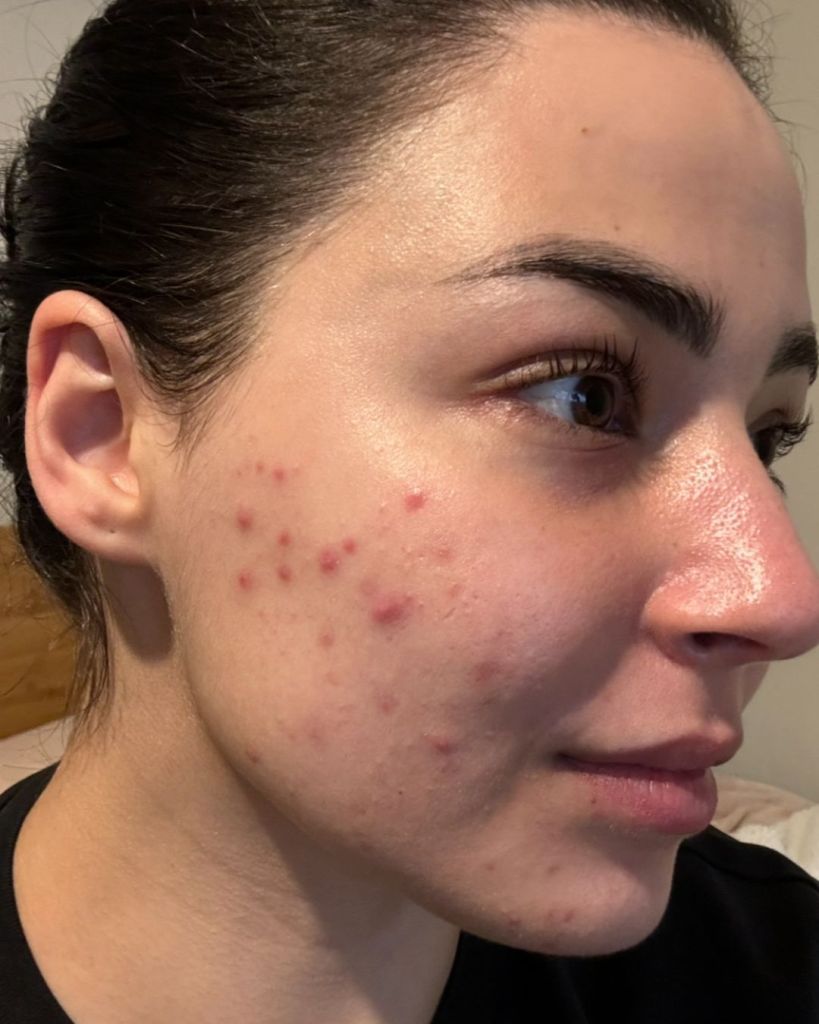
At the same time, many acne-prone people treat their skin too harshly and under-moisturise in an attempt to control oil and blemishes, creating a vicious cycle where the skin becomes increasingly stressed, reactive, dehydrated, and harder to manage.
The tricky part is that damaged acne-prone skin doesn’t always look dry. In many cases, oily skin can actually become dehydrated, which is where things get incredibly confusing for acne-prone people.
When the skin barrier becomes stressed and unbalanced, the skin can struggle to hold onto hydration properly. In response, the skin may overproduce oil while simultaneously feeling tight, dehydrated, sensitive, and reactive underneath.
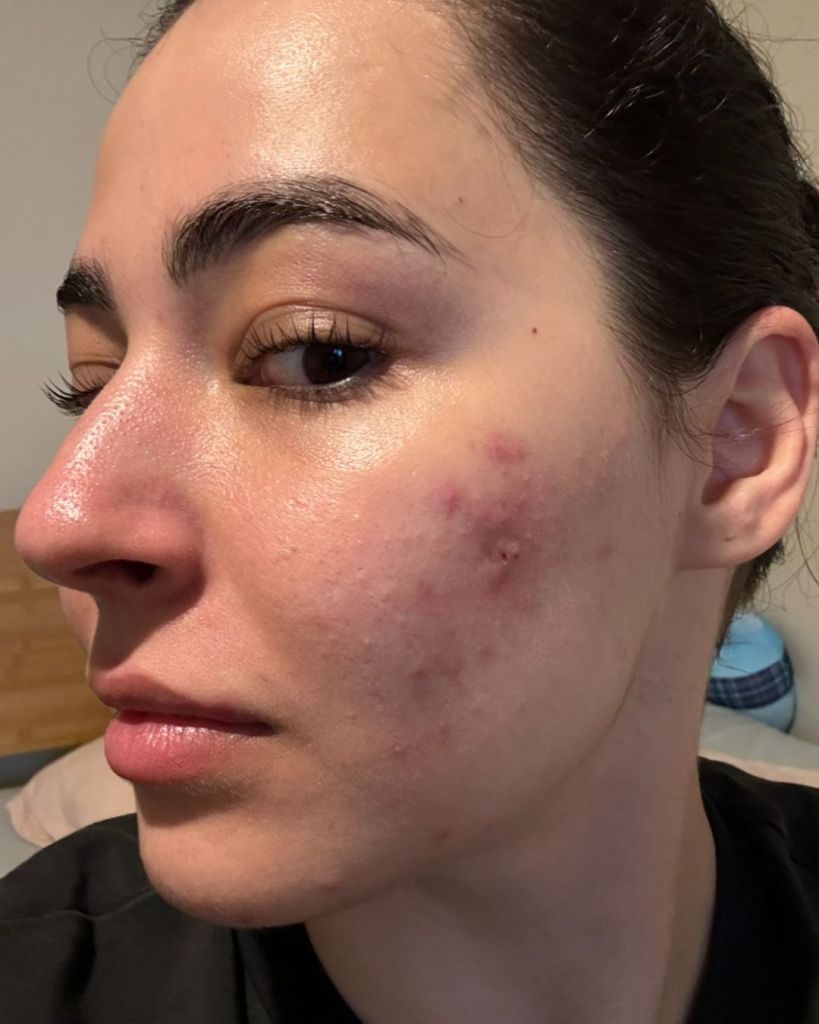
That’s why dehydrated acne-prone skin often looks shinier, greasier, more inflamed, and more congested rather than flaky or obviously dry.
In my own experience, my skin barrier damage actually made my acne look significantly worse, not better.
My breakouts became redder, more inflamed, and much deeper under the skin, often turning cystic and leaving behind more severe post-acne marks. Even when I still broke out after repairing my barrier, the blemishes were noticeably calmer, healed faster, and scarred far less aggressively overall.
What Does a Damaged Skin Barrier Look Like in Acne-Prone Skin?
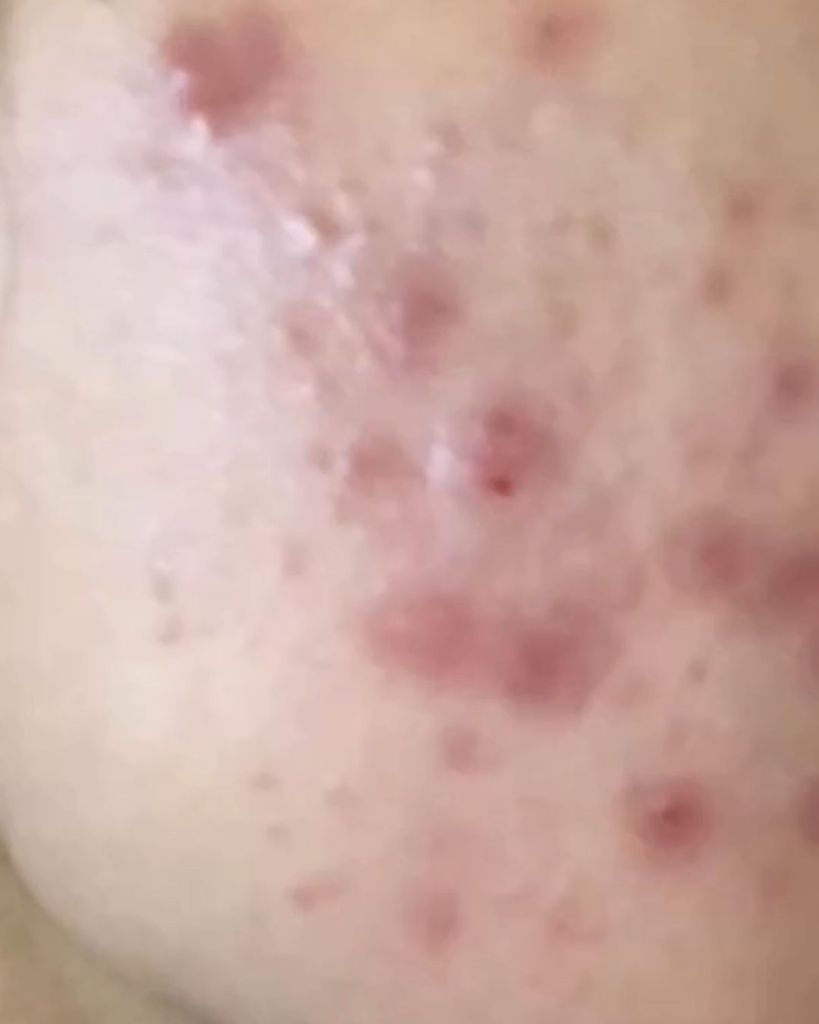
When most people think of a damaged skin barrier, they picture dry, flaky, irritated skin.
But barrier damage in acne-prone skin often looks very different.
Some common signs can include:
- Skin that feels tight after cleansing
- Skin that looks oily but feels dehydrated underneath
- More inflamed or reactive breakouts
- Every product, regardless of how gentle or acne-friendly breaks you out
- Products suddenly stinging or burning
- Increased redness or sensitivity
- Acne marks lingering longer than usual
- Skin feeling simultaneously congested and irritated
- A routine that suddenly feels “too harsh” when it previously felt fine
- Breaking out in places you don’t usually
- Spots feel deeper and more cystic
One of the biggest signs for me personally was that my skin felt incredibly tight and dry after cleansing while somehow still looking extremely shiny and oily throughout the day.
At the time, I assumed the oiliness meant my skin wasn’t “clean enough”, so I kept using harsher acne products and stronger exfoliants, when really my skin barrier was completely overwhelmed.
Acne-prone skin can absolutely experience barrier damage, especially when it’s exposed to too many harsh or drying products at once.
A lot of acne-focused skincare is designed to exfoliate the skin, reduce oil, or speed up cell turnover. While those ingredients can absolutely help breakouts, overdoing it can leave the skin barrier struggling to function properly.
This is often where people accidentally get stuck in a cycle of:
- Breaking out
- Treating the skin more aggressively
- Damaging the barrier further
- Becoming more irritated and reactive
- Breaking out again
The frustrating part is that many people assume more breakouts automatically mean they need stronger products, when sometimes the skin is actually stressed, dehydrated, and overwhelmed.
What Is the Skin Barrier?
Your skin barrier – technically called the stratum corneum – is the outermost layer of your skin. Think of it as the system responsible for keeping hydration in while protecting your skin from irritants, bacteria, pollutants, and environmental stressors.
When your skin barrier is healthy, your skin is generally more balanced, resilient, and better able to tolerate active ingredients.
When it becomes compromised, your skin loses water more easily and becomes more vulnerable to irritation, inflammation, dehydration, and sensitivity.
For acne-prone skin, supporting the barrier often isn’t about piling on the richest moisturiser possible – it’s about finding hydration and barrier support that your skin can actually tolerate consistently without feeling overwhelmed.
Why Acne-Prone Skin Often Becomes Dehydrated
A lot of us grew up believing oily skin didn’t need moisturiser.
Honestly, it makes sense why that belief stuck around for so long. Many acne-prone people have had genuinely bad experiences with thick creams, greasy textures, and products that felt suffocating on the skin.
A lot of my own barrier damage came from trying too hard to “fix” my skin. I was heavily focused on treating acne scarring and texture, so I ended up over-exfoliating with strong peels, harsh exfoliants, and exfoliating cleansers both morning and night.
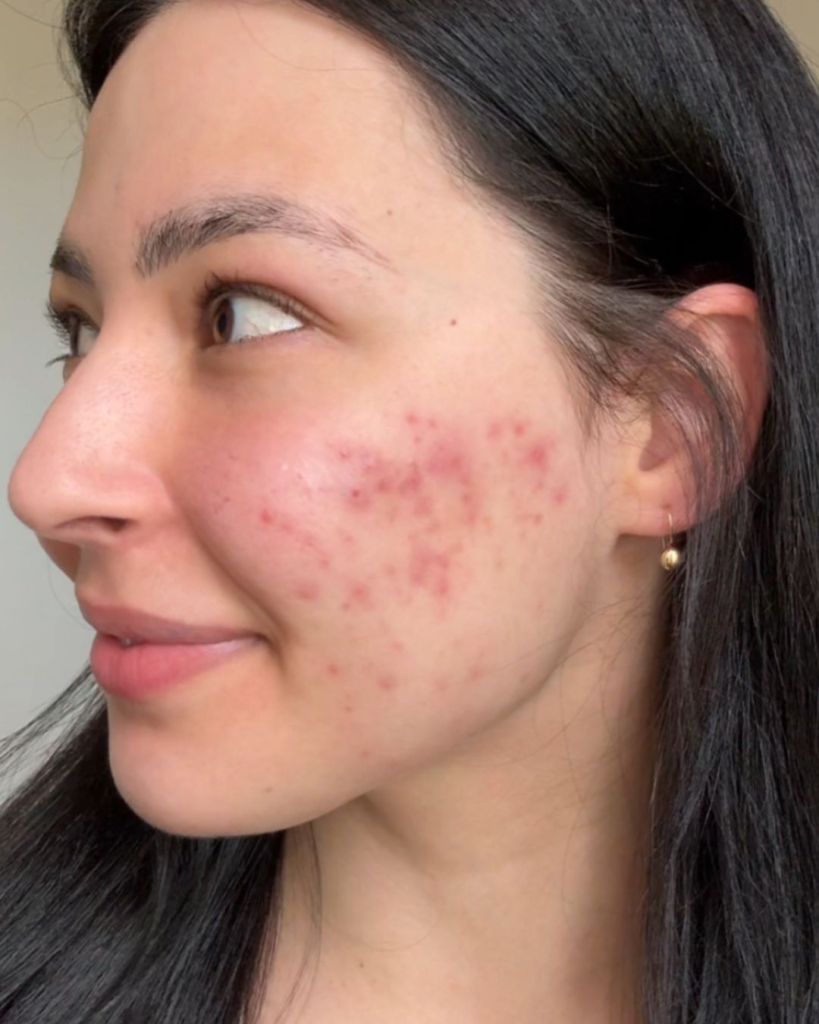
I also went through a phase of at-home dermaplaning, which initially felt great, but over time my skin became far too sensitive to tolerate it consistently.
The issue is that acne-prone skin is often accidentally over-stripped in an attempt to “dry out” breakouts.
Harsh foaming cleansers, over-exfoliation, benzoyl peroxide, salicylic acid, retinoids, acne spot treatments, and alcohol-heavy products can all contribute to barrier disruption when they’re overused or not balanced correctly within a routine.
For a long time, I genuinely thought I needed stronger acne treatments to “fix” my skin, when in reality my skin was actually begging me to calm it down.
When acne-prone skin becomes dehydrated, it often becomes:
- More reactive
- More inflamed
- More sensitive
- Harder to tolerate treatments with
- More prone to irritation and congestion
Hydration isn’t optional for acne-prone skin – especially when the skin barrier is compromised.
The Three Foundations of Barrier Repair for Acne-Prone Skin
Barrier repair doesn’t need to involve a complicated 15-step routine.
For most acne-prone skin types, healthy barrier support usually comes down to the basics:
- Gentle cleansing
- Consistent hydration
- Daily sunscreen
1. Stop Over-Cleansing
If your skin feels tight, squeaky, stripped, or dry after cleansing, that’s usually not a sign your cleanser is “working”. It’s often a sign your barrier is struggling.
For a long time, I genuinely thought that squeaky-clean feeling after cleansing meant my products were working properly. In reality, my skin barrier was becoming more stripped, reactive, and inflamed over time.
Acne-prone skin still benefits from thorough cleansing, especially if you’re wearing sunscreen, makeup, or heavier skincare products. But there’s a huge difference between properly cleansing your skin and stripping it raw.
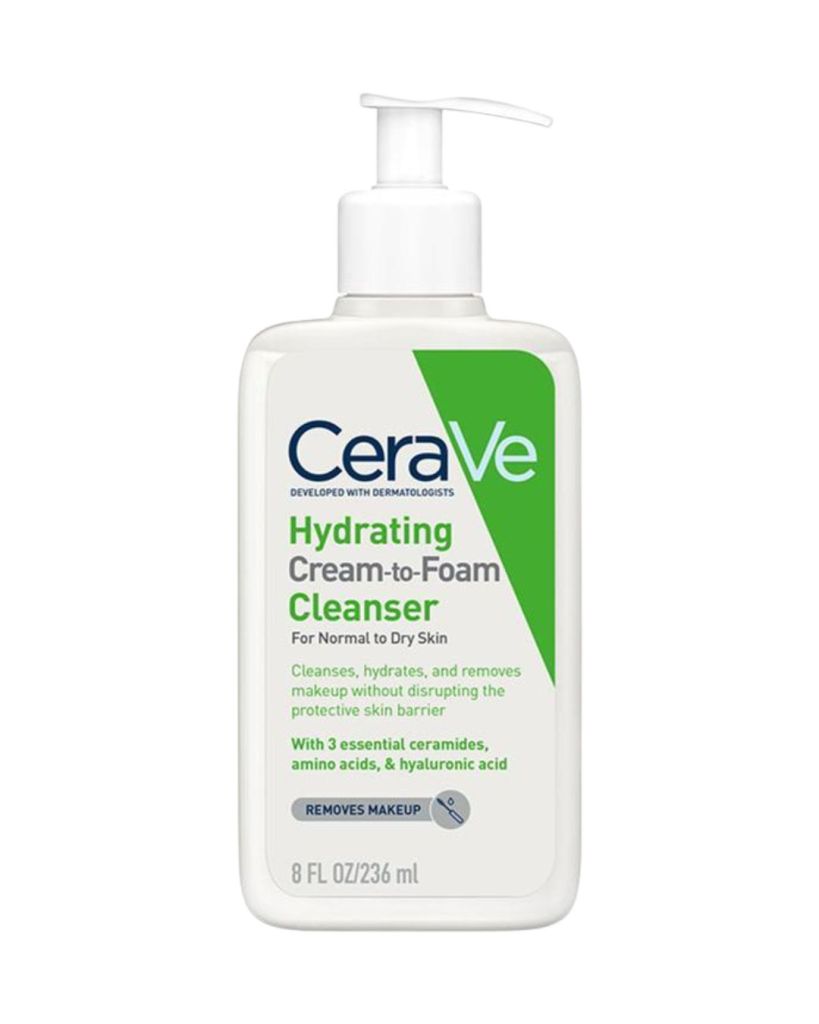
Personally, I’ve always gravitated towards cream-to-foam cleansers since understanding my skin and what it actually likes. That way, I can still cleanse thoroughly for the right amount of time – around 60 seconds in the evening – without leaving my skin stripped afterwards.
I personally love the CeraVe Hydrating Cream-to-Foam Cleanser because it gives that satisfying cleanse without making my skin feel tight.

2. Find Moisturisers Your Skin Can Actually Tolerate
Moisturisers have changed a lot since high school.
Modern formulations are very different from the heavy, pore-clogging creams many acne-prone people remember using years ago. There are now lightweight gel creams, fluid moisturisers, hydrating serums, barrier serums, and milky textures specifically designed for breakout-prone skin.
Thick, rich creams used to completely scare me because I associated that heavy feeling with clogged pores and breakouts. Products like petroleum jelly or very occlusive balms felt overwhelming on my skin for a long time.
What eventually changed things for me wasn’t necessarily avoiding richer products altogether – it was learning how to use them differently. Instead of slathering thick layers across my entire face, I started using much smaller amounts, thinner layers, targeted application, and reduced frequency.
I tend to moisturise my skin in multiple lighter layers rather than relying on one extremely thick cream. Milky toners, lightweight lotions, and hybrid gel-cream textures have worked particularly well for me over time.
Products like the Thayers Milky Mushroom Toner and the biobod Replenishing Hydra-Soothe Serum helped me realise hydration could actually feel calming and comfortable on acne-prone skin rather than greasy or overwhelming.
Interestingly, as my skin barrier became healthier, I found I could tolerate richer moisturisers much more easily.


Right now, I’m really enjoying the Clinique Dramatically Different Moisturizing Lotion+, but when my skin was reacting to almost everything, I leaned much more towards products like the Avène Tolérance Control Soothing Skin Recovery Cream and the Dermal Therapy Acne Control Lotion.
Hydration is not the enemy of clear skin. In many cases, properly hydrated skin becomes easier to manage over time.
3. Wear Sunscreen Every Day
Daily sunscreen is non-negotiable. With proper removal, they won’t break you out either.
UV exposure directly damages skin cells and disrupts the skin barrier. It contributes to dehydration, inflammation, redness, post-acne marks, and increased skin sensitivity over time.
If you’re actively trying to repair your skin barrier while skipping sunscreen, you’re essentially working against yourself.
Sunscreen formulas have improved significantly over the years, especially for acne-prone skin. I’ve personally always gravitated towards zinc-based, or mineral, formulas because I’ve historically found them much more calming and less irritating on my skin.
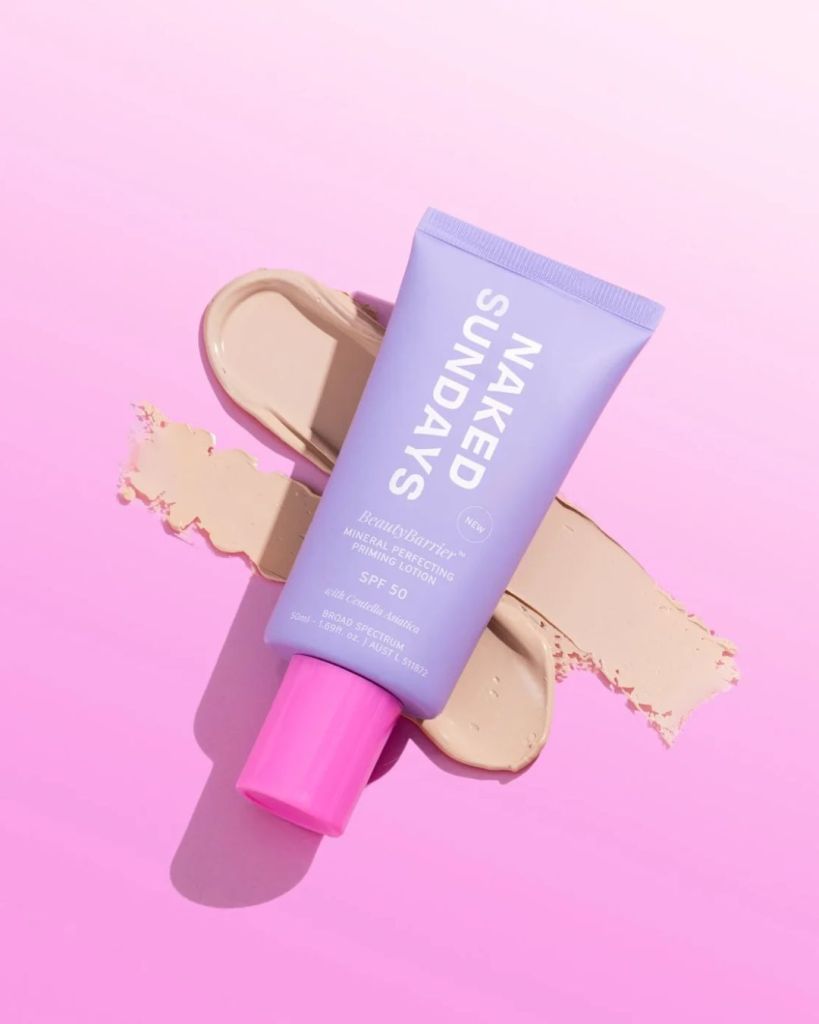
Right now, my daily SPF is the Naked Sundays BeautyBarrier SPF50, which is a zinc-based SPF 50 with cica and rice amino acids that focuses heavily on barrier support.
It also doubles as a makeup primer, which makes daily wear much easier if you’re wanting to cut down on steps.
Read: Trying The Naked Sundays BeautyBarrier SPF50 On Sensitive, Redness-Prone Skin (With Pictures)
Apply generously, wear it daily, and reapply when spending time outdoors.
Example of a Simple Barrier-Supportive Routine for Acne-Prone Skin
Everyone’s skin is different, but a simple acne-prone barrier-supportive routine could look something like:
Morning
- Gentle cleanse or water rinse
- Lightweight hydrating lotion or serum
- SPF 50+ applied generously
Evening
- Cleanse
- Hydrating toner or serum
- Moisturiser suited to your skin tolerance
Personally, routines like this helped me calm the cycle of over-treating my skin while still feeling like I was properly supporting breakouts.
Read: My PM Routine For Fading Post-Acne Marks on Brown Skin
The Best Ingredients to Hydrate and Repair Acne-Prone Skin
It’s important not to get too caught up chasing individual “hero” ingredients. While the ingredients below can absolutely support hydration and barrier repair, what matters most is the overall formulation and how the product works within your routine.
For example, ceramides could exist in a thick moisturiser that feels too heavy for one acne-prone skin type, or in a lightweight formula that helps repair the skin barrier beautifully without causing congestion.
Some ingredients commonly found in barrier-supportive skincare include:
- Ceramides – Help support and restore the skin barrier while reducing water loss.
- Niacinamide – Supports barrier function and helps reduce visible redness.
- Glycerin – A humectant that helps draw water into the skin.
- Hyaluronic Acid – Helps bind hydration to the skin and works well on damp skin.
- Panthenol – Soothing, hydrating, and supportive of skin repair.
- Peptides – Help support skin structure and long-term barrier health.
- Zinc – Has anti-inflammatory properties often suited to acne-prone skin.
At the end of the day, ingredients are only one piece of the puzzle.
Can Barrier Repair Products Cause Breakouts?
Yes – they can.
Many rich “barrier repair” products are designed for extremely dry skin, which can sometimes feel too heavy for acne-prone or congestion-prone skin types.
It’s also very easy to accidentally over-moisturise when your skin feels damaged.
If your skin starts feeling greasy, congested, or overwhelmed after introducing a barrier product.
It may simply be a sign to:
- Use less product
- Reduce frequency
- Simplify your routine
- Switch to lighter layers instead
Don’t Skip Exfoliation Completely
When the skin barrier feels compromised, the instinct is often to stop exfoliating altogether.
For acne-prone skin, though, skipping exfoliation forever can sometimes contribute to congestion and build-up over time.
Gentle exfoliation – particularly PHAs – can help maintain clearer pores without the irritation risk associated with harsher acids or aggressive scrubs.
According to Advanced Dermal Therapist Elisa Osmo, many of the tiny bumps people aggressively try to “dry out” are actually closed comedones rather than traditional inflamed whiteheads.
Unlike a typical whitehead, which sits closer to the skin’s surface and eventually comes to a head, closed comedones are trapped buildups of oil, keratin, and dead skin cells sitting beneath a sealed pore opening.
According to Osmo, these bumps are often linked to slower cell turnover, congestion, overly occlusive products, and barrier dysfunction.
Many people respond by attacking the skin with stronger acids and harsher acne treatments, which can further irritate the skin barrier and make congestion feel even more stubborn overall.
Instead, she recommends a more balanced approach focused on:
- Controlled exfoliation
- Retinoids used strategically
- Professional extractions where appropriate
- Supporting the skin barrier rather than constantly stripping it
A Note on Viral Skincare and Acne-Prone Skin
We’ve all been influenced by a viral skincare product or trend at some point.
But skincare isn’t one-size-fits-all, and that’s especially true when acne, congestion, and barrier sensitivity are involved.
A product going viral doesn’t automatically mean it’s right for your skin type. What feels beautifully nourishing for one person may feel completely suffocating for another.
Barrier repair for acne-prone skin usually requires a more tailored approach focused on hydration, skin barrier support, and textures that won’t overwhelm breakout-prone skin.
Understanding your own skin’s tolerance and triggers will almost always get you further than chasing trends.
Frequently Asked Questions
Does Acne-Prone Skin Really Need Moisturiser?
Yes. Even oily or breakout-prone skin needs hydration and barrier support. Over-cleansing or skipping moisturiser entirely can often leave the skin more reactive, irritated, and harder to manage.
Can Oily Skin Still Be Dehydrated?
Yes – oily skin can absolutely still be dehydrated. In fact, it’s incredibly common in acne-prone skin.
When the skin barrier becomes stressed or over-stripped, the skin can struggle to retain hydration properly. In response, it may overproduce oil while still feeling tight, sensitive, or dehydrated underneath.
This is why dehydrated acne-prone skin often appears shinier and oilier rather than obviously dry.
What Ingredients Should I Look for in a Moisturiser for Acne-Prone Skin?
Ceramides, niacinamide, glycerin, hyaluronic acid, panthenol, peptides, and zinc are all great ingredients to look for. Lightweight gel creams and fluid textures are often a good starting point for acne-prone skin.
Can Barrier Repair Products Cause Breakouts?
They can, particularly when the product is too rich for your skin type or too much product is being applied.
Is Sunscreen Important for Acne-Prone Skin?
Absolutely. UV exposure disrupts the skin barrier, increases inflammation, and worsens post-acne marks. Daily sunscreen is essential for maintaining healthy skin barrier function.
What Kind of Cleanser Is Best for Acne-Prone Skin?
A cleanser that leaves your skin feeling comfortable – not tight, stripped, or squeaky. Cream-to-foam textures are often a good middle ground for acne-prone skin types.
What Are PHAs and Why Are They Recommended for Acne-Prone Skin?
PHAs, or polyhydroxy acids, are a gentler form of chemical exfoliant. Because they have a larger molecular structure than AHAs, they penetrate the skin more slowly and are generally better tolerated by sensitive or barrier-compromised skin.
Important: This content is for informational purposes only and does not replace professional medical advice. Always consult a qualified healthcare professional for personalised guidance.

Leave a Reply