
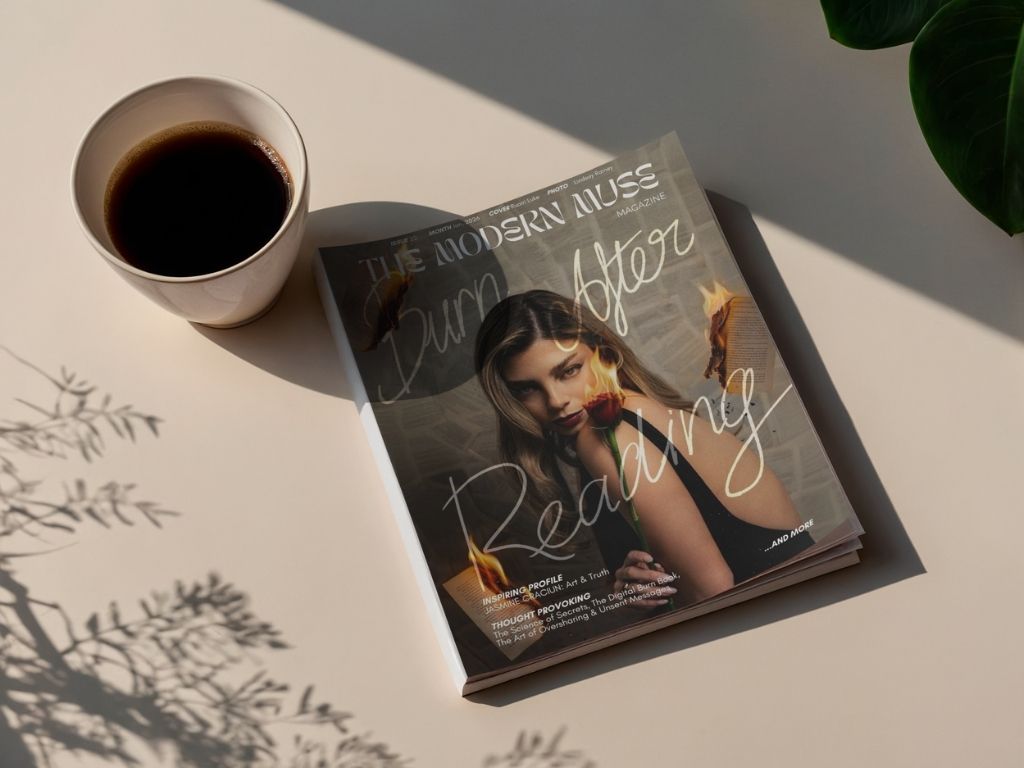
Quick Summary: If you’ve ever wondered how to start an online magazine – and keep it alive past its first year – Lauren Dickson has the answer. The founder of The Modern Muse Magazine, an independent Australian publication now 24 issues deep, talks burnout, imposter syndrome, and the restructure that saved her magazine, plus the three lessons she’d hand anyone starting their own.
Who Is Lauren Dickson?
Lauren Dickson is the founder and editor of The Modern Muse Magazine, an independent Australian digital publication for young women covering culture, fashion, beauty, wellness, dining, and creativity.
Over roughly two years she has published 24 issues, including one print release, and restructured the magazine into a quarterly publication with a print-inspired editorial format.

That restructure – and the burnout that forced it – is at the centre of our conversation with Lauren. She spoke to us about what the magazine stands for, why she built it Australian-first, and what she’d tell anyone thinking about starting an online magazine of their own.
What Is a Modern Muse?
A Modern Muse, in Lauren’s definition, isn’t a ultra-finished or polished version of a woman, rejecting the “pedestal” idea. For Lauren, it’s a mindset of curiosity alongside intention.
“A Modern Muse is someone who is curious about the world around her and is intentional about how she moves through it,” she says.
“She keeps up with the conversations shaping today’s zeitgeist while also engaging with culture more broadly, whether that may be through literature, fashion, wellness, dining, creativity, and ideas that expand her perspective.”

“A Modern Muse isn’t a finished version of success or confidence. It’s someone in the process of evolving, asking questions, and building a life that feels aligned with her values and ambitions.”
That idea shapes the magazine. Lauren describes it as a cultural guide for young women navigating modern life – “something readers can turn and return to” – while encouraging them to define what being a Modern Muse looks like for themselves.
Why Build an Australian-First Publication?
Lauren built The Modern Muse Australian-first because local creatives were being overlooked in a feed full of international media.
“Building an Australian-first publication was really important to me because there are so many inspiring people, ideas, and businesses here that deserve attention,” she says.
“Early on, I noticed that a lot of the brands young women support are international, and while that is totally fine, it can mean that local voices and creative communities sometimes aren’t reflected in the same way.”

The goal isn’t just documentation. Encouraging reader participation is at the heart of TMMM. “Highlighting emerging designers, founders, writers, and small businesses helps strengthen that ecosystem and makes the magazine feel like part of a broader creative community rather than just an observer of it.”
That ecosystem is worth championing as it grows in Australia. This is the same energy we saw at Fishburners’ Female Founders Pitch Night, where Australian women founders are building businesses on their own terms.
Does Print-Inspired Design Still Matter in Digital Publishing?
Yes – Lauren argues traditional magazine design matters more online, not less, because it signals quality in a landscape built for speed.
The Modern Muse is primarily digital, but every issue uses structured layouts with editorial sequencing. The edition’s pacing is borrowed from print, and you can’t help but feel nostalgia on every page.
“The decision to embrace a classic editorial layout from the beginning was very intentional,” she says.
“There’s something powerful about opening a print that feels graphically as considered and structured as the words on the page.”
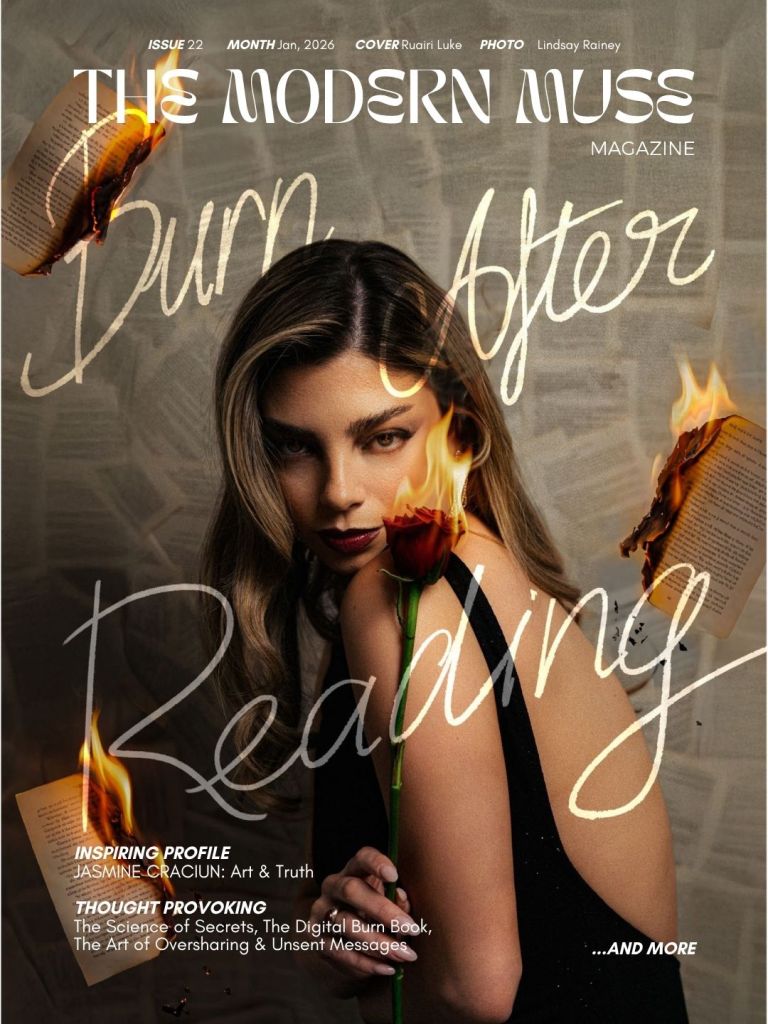
“I never wanted the magazine to feel disposable or overly fast-paced in the way online content sometimes can feel. The classic layout helps create a reading experience that feels immersive and editorial.”
“When everything online is competing for attention, a structured, print-inspired format communicates intention, quality, and longevity.”
For Lauren, it’s also about preserving the ritual many young Australian women grew up with, honouring where magazines have come from while making that experience accessible to readers discovering editorial culture digitally.
How Do You Keep One Editorial Voice Across So Many Topics?
The Modern Muse spans literature, dining, fashion, wellness, and cultural commentary – and Lauren keeps the voice consistent by curating people, not just topics.
The breadth of topics themselves are deliberate. “They’re not only interested in fashion or only reading cultural commentary,” she says of her readers.
“They’re engaging with books, trying new restaurants, thinking about their wellbeing, following creative trends, and navigating their careers and relationships all at once.”

Consistency comes from contributor selection. “I always look for writers who already embody what it means to be a Modern Muse – people who are thoughtful, culturally aware, curious, and engaged with the world around them. That alignment naturally creates consistency, because the perspective comes through before the subject matter does.”
She credits her writers openly: “Opening their drafts is a proud mum moment.”
You can see what she means in pieces like The Invisible Rules of Modern Womanhood No One Explains to You by Tara Shore, and Why Opting Out Isn’t Failure: Redefining Success in Your 20s by Sophie Mulcahy.
Why Slow Publishing Saved The Modern Muse Magazine
The most candid moment of the interview, and one that many can relate to, was the pressure to keep pace with digital media. This strain burnt Lauren out so badly she planned to close the magazine. Slow publishing is what saved it.
“I would be lying if I said I didn’t feel the pressure to keep up at the beginning and to be honest, it burnt me out to the point where I made plans to close the magazine,” she admits.
It’s a breaking point plenty of women will recognise – one WRS writer described quitting the corporate job that burnt her out as the hardest and best thing she’d ever done.
Instead of shutting down, Lauren rebuilt. “After some careful consideration, I restructured The Modern Muse Magazine to be something closer to a traditional editorial publication in its rhythm and intention – hence the move to become a quarterly magazine.”
The result, she says, is better work. “We’re now less focused on reacting quickly and more focused on understanding what a conversation actually means for our readers before we publish it.”
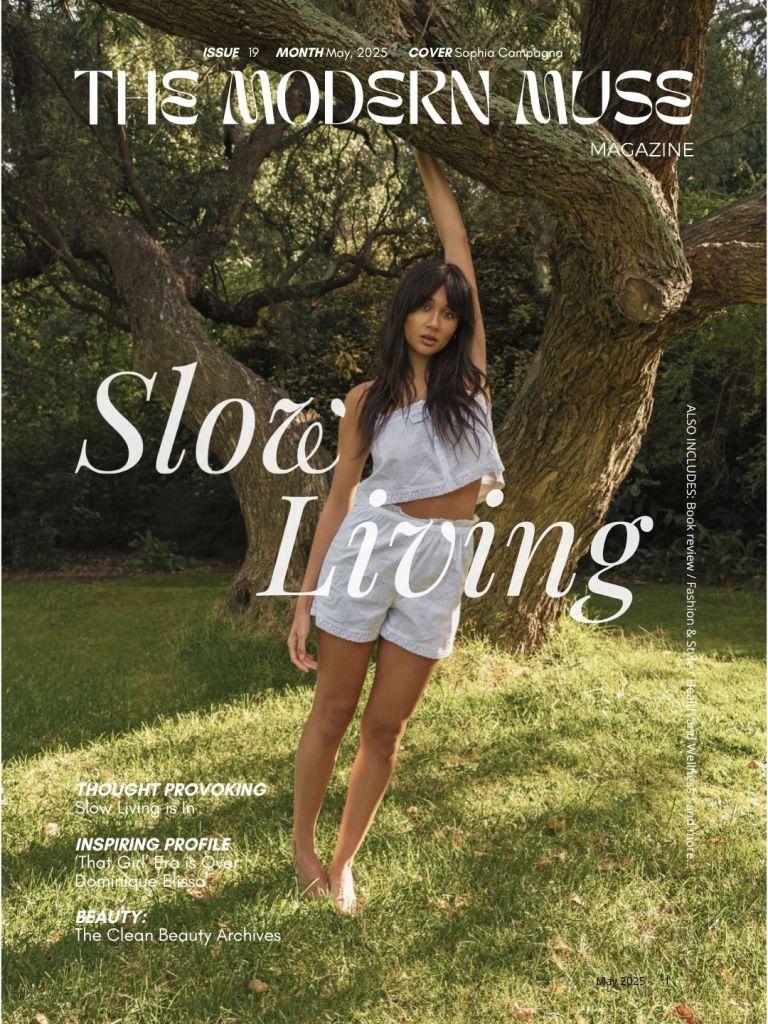
It’s a philosophy the magazine has literally put on its cover – see Issue 19: Slow Living.
Her filter for what makes the cut is longevity.
A topic might start on social media, but it earns a place in the magazine only if it reflects a broader shift in how young women think about work, identity, relationships, creativity, or culture.
“Not every trend needs an editorial response, and part of maintaining a strong voice as a publication is knowing what not to cover.”
How Does Lauren Dickson Choose Themes and Covers?
Every issue is built around an emotional or cultural theme, and it starts with listening rather than forecasting.
“I usually start by thinking about what conversations women are already having, both culturally and personally,” she says.
“The theme becomes a way of shaping those conversations into something cohesive that readers can move through across the issue.”
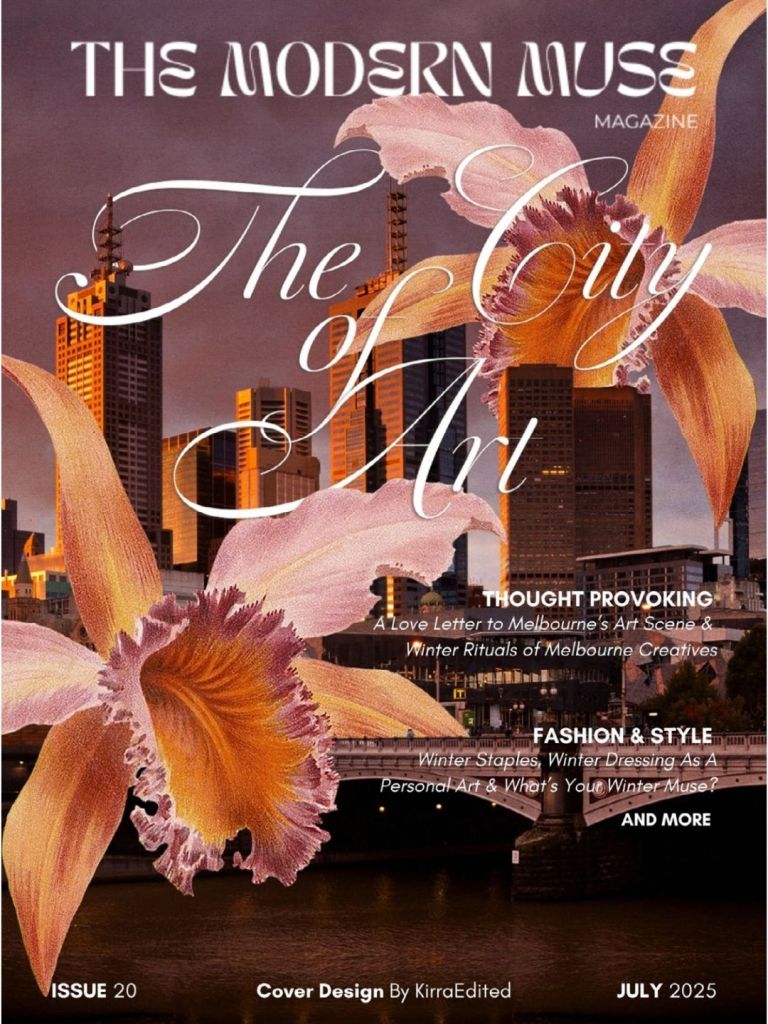
Cover imagery follows the same logic. “I’m always looking for inspiration that feels representative of the emotional tone of the edition rather than just visually appealing. The cover sets the pace for how the issue is experienced.”
“It’s not about predicting trends but rather about recognising what’s already unfolding around us and giving it a thoughtful editorial frame – but don’t get me wrong, I do love a trend prediction!” (For proof, see Issue 18: Trend Setter.)
You can trace that emotional range across recent editions – from Issue 20: The City of Art to the wry Issue 22: Burn After Reading.
For the magazine’s two-year anniversary edition, Issue 21: Print Isn’t Dead, Lauren documented this process herself in a personal essay, From Idea to Ink.
Lauren Dickson’s Top Advice for Starting an Online Magazine
When asked what she’d tell anyone starting an online magazine or independent publication, Lauren offers three hard-won lessons.
Start With a Clear Vision
“When I first started the magazine it wasn’t well planned out and I rushed to release it. I now know that when you’re creating an independent publication, your vision becomes your anchor. Plan it out well and stick to it.”
That anchor matters most under pressure. “There will always be pressure to change direction quickly or to follow what other platforms are doing, but having a strong editorial identity makes it much easier to make decisions that feel consistent over time.”
Back Yourself Through Imposter Syndrome
“Far too often I get imposter syndrome, especially when working in a space where there are so many established publications and voices,” she says.
“But building the magazine has taught me that there is real value in creating something with a clear point of view and trusting that it will resonate with the right audience.”
Expect Gradual, Not Instant, Growth
Publishing rewards patience, and there are no quick wins. “It’s naturally a more niche venture compared to something like ecommerce, where growth is often faster and more immediately measurable. With a magazine, progress tends to be more gradual, because what you’re really building is trust, perspective, and a relationship with your readers over time.”
Where to Find The Modern Muse Magazine
The July edition Lauren was keeping under wraps when we spoke, Issue 23: Terms & Conditions, is now available to read.
You can read it, explore the archive, and subscribe at The Modern Muse Magazine.
Her parting note is to the readers who’ve kept the magazine going: “Independent publications have no backing and are therefore really just built on their communities, and it means so much to know there are readers who choose to spend time with each issue and grow alongside the magazine.”
Building Trust Takes Time
Starting an online magazine isn’t a traffic or click game. Slow-built trust is at the core of any community, including the readership at The Modern Muse.
Lauren Dickson’s story across 24 issues of The Modern Muse Magazine explores a rushed launch, burnout, near-closure, and a deliberate rebuild around slow publishing, with the same through-line. A clear editorial identity, backed consistently, beats reactive volume.
If you’re weighing up your own publication, take her three lessons with you – plan the vision, back yourself, and give it time.
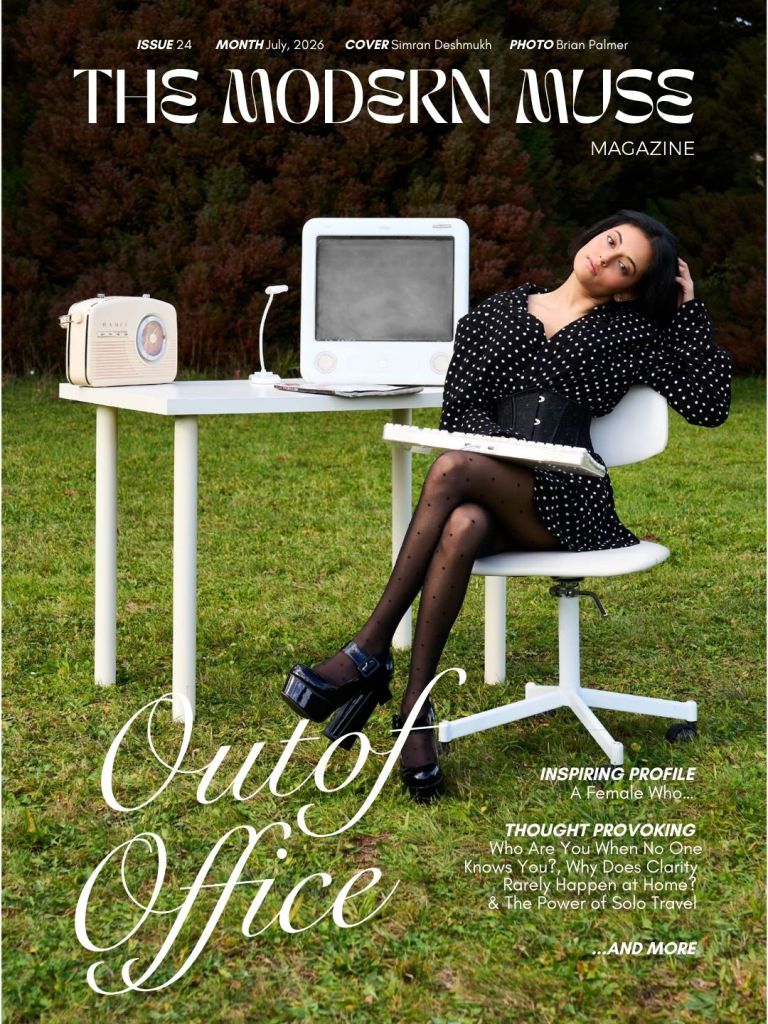
And if you’d rather just enjoy the result, Issue 24: Out of Office is out now.
For more conversations with women building careers on their own terms, read our interview with Sophie Hirst of Work Baby on career confidence and “power skills”.
Frequently Asked Questions
Who Is Lauren Dickson?
Lauren Dickson is the founder and editor of The Modern Muse Magazine, an independent Australian digital publication for young women. She launched the magazine roughly two years ago and has published 24 issues as of July 2026, restructuring it into a quarterly title with a print-inspired editorial format after early burnout nearly closed it.
What Is The Modern Muse Magazine?
The Modern Muse Magazine is an independent Australian publication covering culture, fashion, beauty, wellness, dining, and creativity for young women. It publishes quarterly with a print-inspired digital format, spotlights Australian creatives and small businesses, and positions itself as a cultural guide readers return to rather than scroll past.
Is The Modern Muse Magazine Print or Digital?
The Modern Muse Magazine is primarily digital, read through a digital magazine publishing platform that lets readers flick through pages like a print title. It has released one print edition, and its layouts deliberately follow classic print design – structured, immersive, and editorially sequenced.
How Often Is The Modern Muse Magazine Published?
The magazine publishes quarterly. It originally ran on a faster, more reactive schedule, but founder Lauren Dickson restructured it into a quarterly rhythm after burnout, prioritising slower, more intentional editorial planning – a change she credits with considerably improving the quality of each issue.
What Is the First Step to Starting an Online Magazine?
According to Lauren Dickson, start with a clear vision and plan before you launch anything. She rushed her own release and calls that her biggest lesson: your vision becomes your anchor, keeping decisions consistent when there’s pressure to chase trends or copy other platforms.
Leave a Reply