

This article contains affiliate links. If you buy through one, we may earn a small commission at no extra cost to you. It never changes what we recommend.
Quick Summary: As temperatures drop and humidity falls, your autumn skincare routine needs a reset. Increased trans-epidermal water loss, a compromised skin barrier, and slower cell turnover are all normal parts of the seasonal transition – but a few targeted ingredient swaps can keep your skin comfortable and glowing well into winter.
Key Takeaways:
- Cooler air and indoor heating accelerate trans-epidermal water loss (TEWL), leaving skin drier and more sensitive
- The skin barrier becomes more vulnerable during seasonal transitions, causing tightness, redness, and irritation
- Your cleanser is the first and most impactful swap to make as the weather cools
- Autumn is the ideal time to introduce retinol – lower UV intensity means lower risk of sun-related sensitivity
- Oily skin still needs moisturiser in cooler months – skipping it can actually increase oil production
- Ceramides, squalane, and fatty acids are the barrier-supporting heroes worth reaching for
- Niacinamide and Zinc PCA are particularly well-suited to oily and combination skin types
- Vitamin C is a useful brightening addition as natural luminosity starts to fade
- Q+A’s full range sits between $13 and $24 and is available at Coles, Priceline, and Big W
- Slow, simple, and consistent beats complicated every time
Note: some links in this article may be affiliate.
Every year, around the time you start eyeing off your jacket again, your skin starts changing. You feel your skin gets tighter or starts looking duller. Maybe there’s a little more sensitive than usual, which feels more obvious post-cleansing.
Though you didn’t change anything, your skin has changed.
To figure out what’s actually going on – and what to do about it without overhauling your whole routine – we spoke with UK based Faye Purcell, Head of Research and Development at Q+A Skincare. Here’s what she had to say.
Why Does Your Skin Change When The Seasons Do?

The short answer: your skin is responding to its environment – and it’s doing a reasonable job of it. Your usual skincare steps can feel too stripping or rich as a result.
“After months of higher humidity, increased oil production, and lighter skincare textures, the sudden drop in temperature and humidity can lead to trans-epidermal water loss (TEWL),” Faye explains.
TEWL is moisture escaping from the skin more easily, through a process that accelerates when the air around you is cold and dry.
Add indoor heating and you’ve got a recipe for a persistently dehydrated environment.
You might also notice dullness arriving in a way it didn’t in summer. That’s partly because cell turnover slows slightly as temperatures drop (so dead skin cells build up more), and partly because lingering sun exposure from the warmer months can leave uneven tone and dehydration behind.
“Ultimately,” says Faye, “autumn is a reset moment for your skin – and it’s usually a sign that your routine needs a seasonal refresh too.”
The First Swap Worth Making When The Temperature Changes
If you’re going to change one thing, Faye is clear about what it should be.
“Start with your cleanser,” she says. “Swap out high-foaming or gel formulas for a cream or oil-based cleanser that won’t strip your skin and leave it squeaky.”
That squeaky feeling many chase post-cleanse is not a sign of thoroughness or “super clean” skin. It’s a sign your skin barrier has been stripped of its essential fatty acids, which are extra important when temperature stress sets in.
Our cleanser swaps from Q+A:
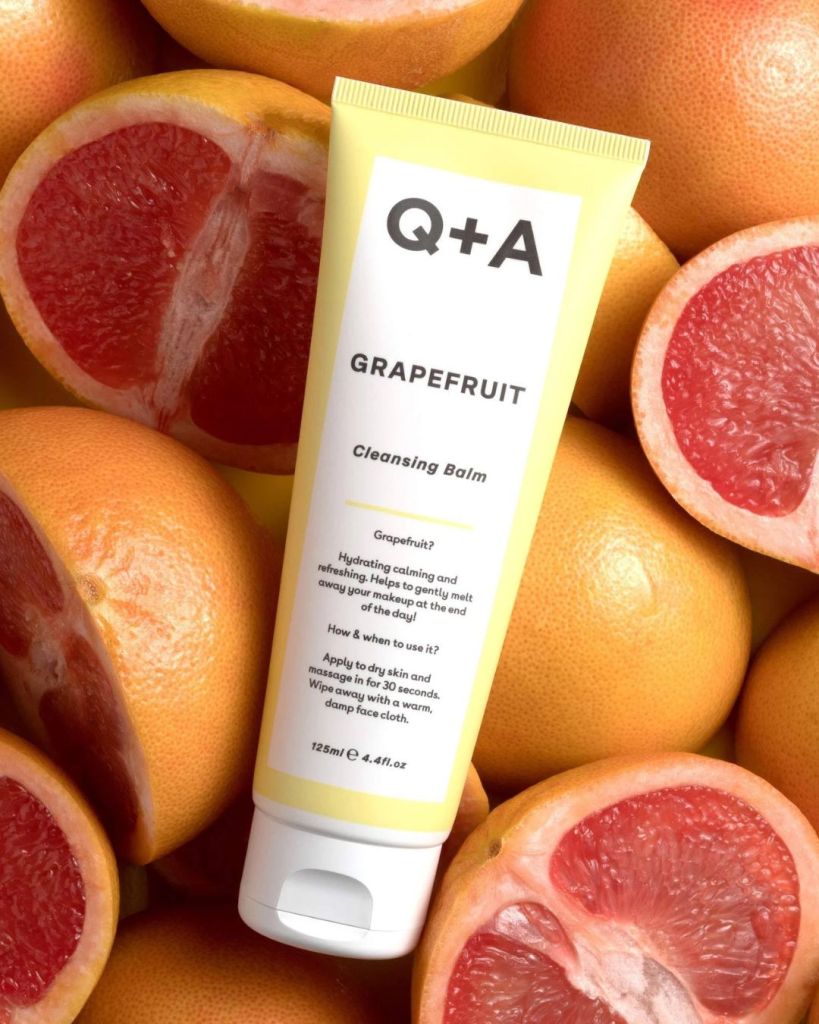
For Makeup Removal or Dry Skin: The Q+A Grapefruit Cleansing Balm, $19.99
A balm-to-oil texture that dissolves makeup and impurities without disturbing the moisture barrier, leaving skin clean without that uncomfortable tightness.
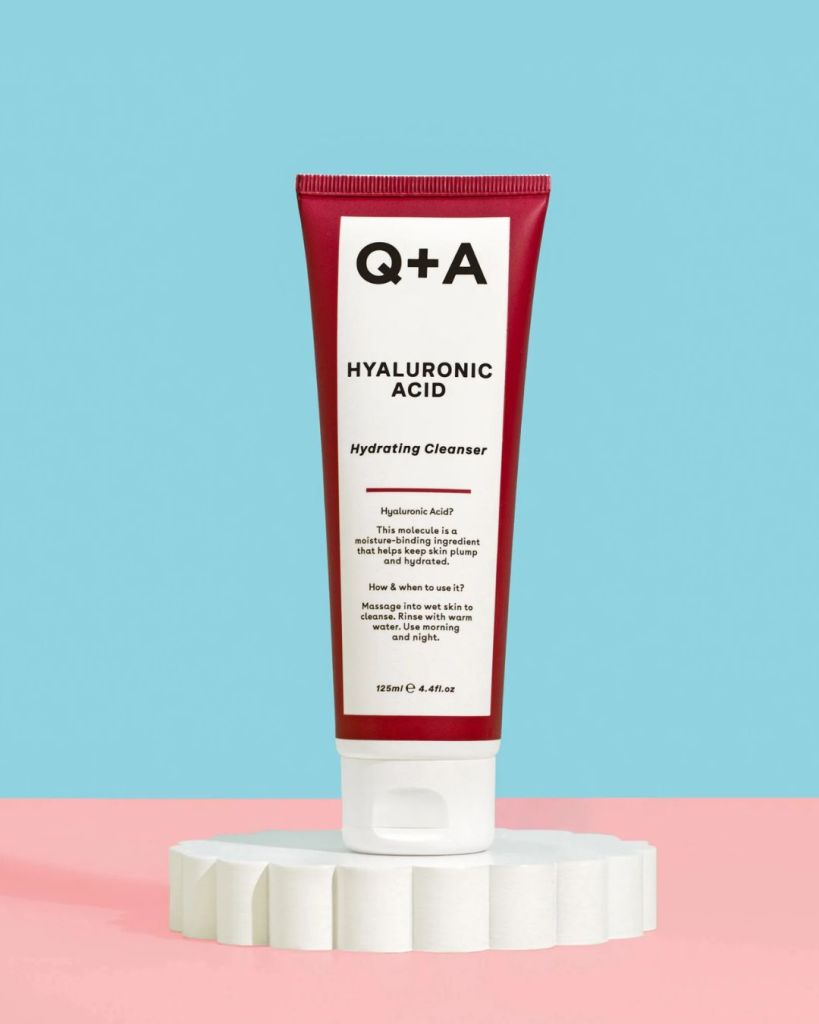
For Most Skin Types: The Q+A Hyaluronic Acid Hydrating Cleanser, $15.99
The HA cleanser uses gentle and smoothing cleansing agents to clean the skin without stripping.
What’s Happening to Your Skin Barrier During Autumn
“When the barrier is weakened, skin can feel tight, flaky, itchy, or more reactive to external stressors,” Faye says.
The skin barrier is your skin’s first line of defence against moisture loss and environmental irritants.
The ingredients that help are the ones that work with the barrier rather than just sitting on top of it.
Faye’s top ingredient picks include:
- Ceramides – rebuild and reinforce the barrier structure
- Squalane – lightweight, long-lasting moisture that doesn’t feel heavy
- Fatty acids – reinforce the skin’s protective layer
- Colloidal oatmeal – calms irritation and sensitivity
- Rich oils and butters (jojoba, shea, mango, cocoa) – nourish and protect in colder conditions
Is Autumn Really The Right Time to Start Retinol?
Yes! If you’ve been vitamin A curious, Autumn might be the best time to start the slow introduction of a retinol into your routine.
“As daylight hours shorten and UV intensity fades, the risk of sun-related sensitivity and irritation – which are much higher during peak summer months – significantly decreases,” Faye explains.
That makes autumn a window for introducing stronger actives, retinol included.
The usual guidelines stay the same. Start slow and steady with any active. Faye recommends starting at once a week, building to twice a week as your skin adapts, and always pairing it with hydrating or anti-inflammatory ingredients like hyaluronic acid, bisabolol, or low-level niacinamide to support the barrier through the adjustment period.
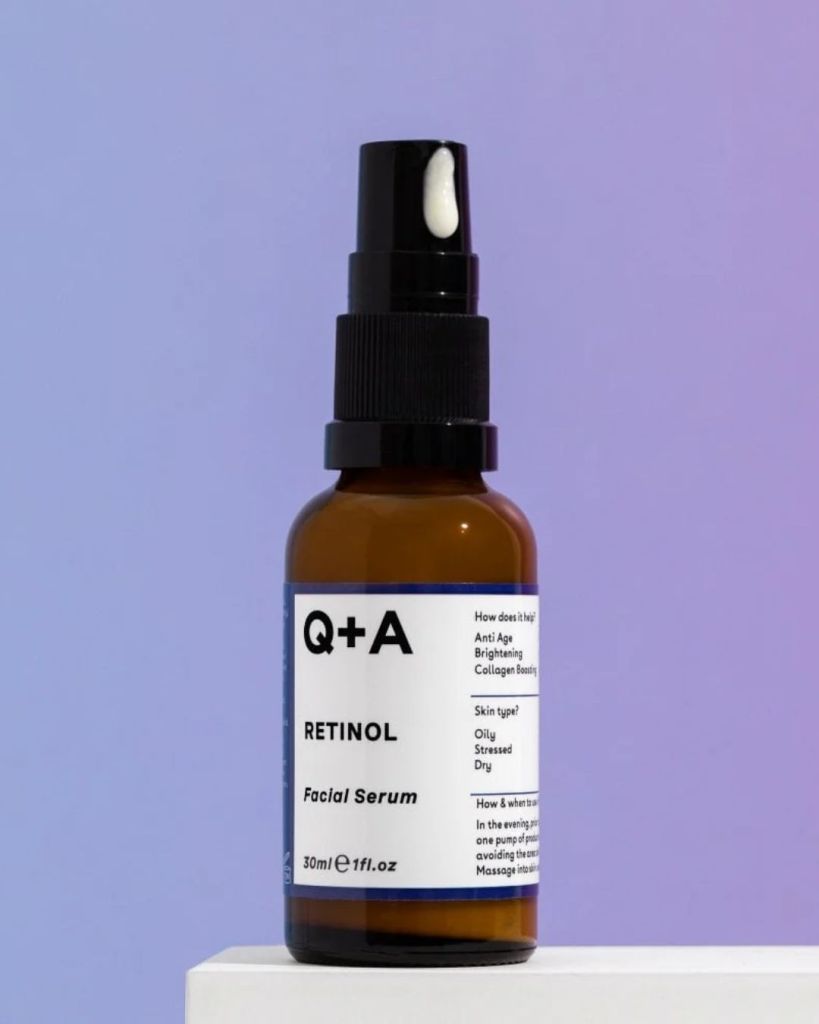
Q+A’s Affordable Vitamin A: The Q+A Retinol Facial Serum, $23.99
Designed for evening use, and effective when layered with a moisturiser to lock in hydration.
The Oily Skin Myth Worth Debunking
One of the most persistent misconceptions in skincare – and Faye hears it constantly – is that oily skin doesn’t need moisture in winter.
“Even oily or combination skin can become dehydrated when the air is cold and dry, or when indoor heating strips moisture,” she says. “Skipping moisturiser when you have oily skin can actually make the skin overcompensate by producing more oil, which can worsen breakouts and dullness.”
The solution is not a thick or heavy cream, especially if oilier skin types don’t enjoy that textural experience. Lightweight, barrier-supporting moisturisers are a great workaround,especially if they have ingredients that help target oil production balancing.
Faye specifically calls out niacinamide (which regulates sebum and strengthens the barrier) and Zinc PCA (which soothes irritation and controls excess oil) as ideal for oily and combination skin types navigating the cooler months.
These ingredients can be incorporated into your routine with any step, and Q+A has a popular toner, serum, and cleanser, too.
The Affordable Body Picks Worth Adding to Your Autumn Routine
The same skin changes our face feels impact our skin head to toe. Layering body oil is fantastic
Our top body care picks:
Q+A Vitamin C Sheer Body Oil, $26.00
A lightweight body oil infused with vitamin C for brightening and hazelnut oil for moisture. The subtle shimmer keeps skin looking luminous without the greasiness of heavier body oils – a good move for maintaining that summer glow as the weather cools.

Q+A Vitamin C Body Cream, $21.99
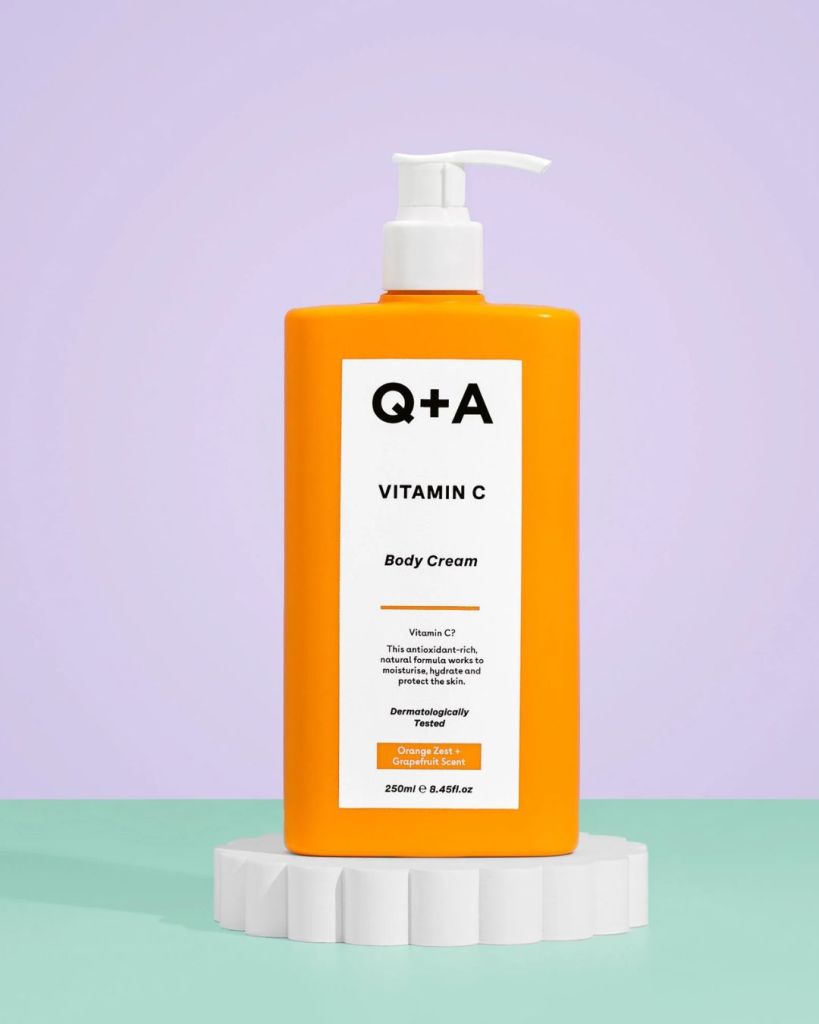
A rich, comforting formula for areas that need extra attention as temperatures drop – elbows, knees, heels. It’s deeply nourishing without being sticky, and works best applied immediately after showering to lock in moisture.
To Sum Up: Your Simple Autumn Skincare Reset
Faye’s three-pillar framework for the season:
- Prioritise hydration – your skin is losing moisture faster than it was three months ago. Swap out your cleanser, and if you’ve been avoiding moisturiser, it’s time to find one you love
- Opt for richer textures – not necessarily heavy, but more supportive than your summer formulas, which applies head to toe
- Keep up the glow work – vitamin C and glow-enhancing products have a role in autumn, not just summer
That’s it! You don’t need a 12-step overhaul.
And if you’ve been waiting to start retinol – this is your window to give it a try, especially when opting for richer moisturisers. Autumn is a great time to do a skin reset.
What’s your go to skin swap when the seasons change? Let us know below in the comments.
WRS Team x
Leave a Reply