
Quick Summary: Want to know how to brighten your skin without chasing every new trend? This is my six-step guide as a cosmetic doctor – barrier first, then a tyrosinase inhibitor, exfoliation, a retinoid, daily SPF, and in-clinic options – with the product types I recommend along the way.
Brighter, more even skin doesn’t come from one miracle product – it comes from a consistent routine done in the right order.
Here is how to brighten your skin in three months, the way I would map it out for a patient as a cosmetic doctor. I’ve also popped some product recommendations along the way.
Note: This article contains affiliate links. If you buy something through them, White Rabbit Social may earn a small commission – at no extra cost to you.
The Six-Step Routine to Brighten Your Skin
Step 1: Protect Your Skin Barrier
Before chasing brighter skin, make sure your barrier is healthy. Many of the ingredients that target pigmentation can be irritating.
Starting with a gentle, barrier-supporting cleanser helps keep inflammation low and your skin happy throughout the process. Don’t skip on your moisturiser either.
Read: Damaged Skin Barrier: Signs, Causes, And How to Repair It
Quick Cleanser Picks For Barrier Support:
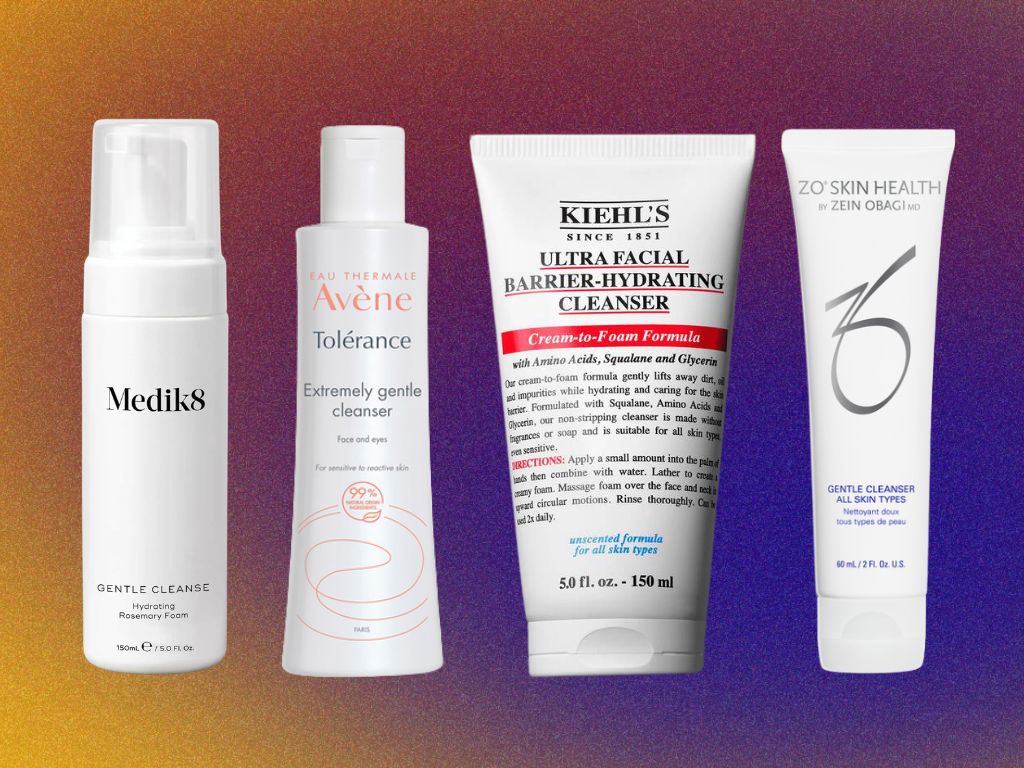
- Medik8 Gentle Cleanse Hydrating Rosemary Foam, $52.00
- Avène Tolerance Extremely Gentle No Rinse Cleanser, $34.99
- ZO Skin Health Gentle Cleanser – All Skin Types, $42.00
- Kiehls Ultra Facial Barrier-Hydrating Cleanser, $62.00
Step 2: Use a Tyrosinase Inhibitor
Tyrosinase is an enzyme involved in making pigment. Controlling this enzyme plays a huge role in reducing hyperpigmentation and uneven skin tone.
Look for ingredients such as alpha arbutin, kojic acid, licorice root extract, tranexamic acid, niacinamide, and azelaic acid.
Use a product with these ingredients daily.
Quick Picks For Pigment Inhibitors:
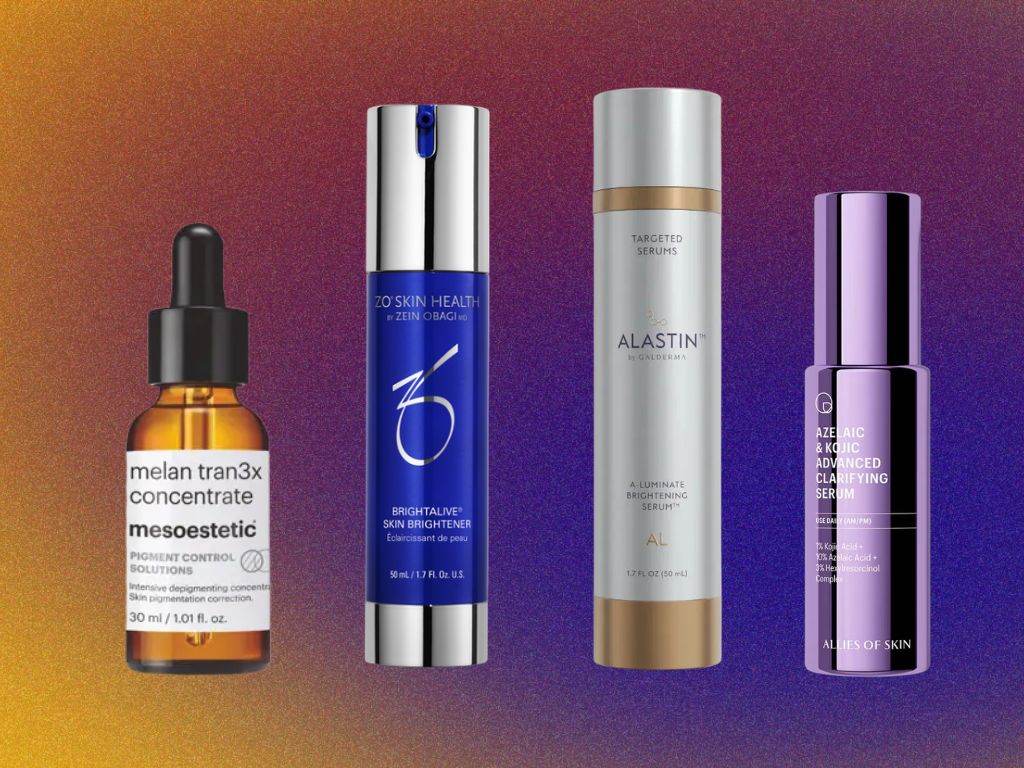
- Zo Skin Health Brightalive Skin Brightener REMASTERED, $264.00
- Mesoestetic melan tran3x concentrate, $218.00
- Allies of Skin Azelaic & Kojic Advanced Clarifying Serum, $190.00
- ALASTIN A-LUMINATE Brightening Serum™, $216.00
Step 3: Don’t Skip Exfoliation
Dead skin cells can leave the complexion looking dull and uneven. Regular exfoliation helps remove these cells, revealing brighter skin underneath.
I prefer AHAs such as glycolic acid, which not only exfoliate but can also support collagen production over time. Exfoliate a couple of times a week, over exfoliation really disrupts the barrier.
Quick Exfoliant Picks:

- Elucent Age Defying Resurfacing Serum, $51.99
- Medik8 Press & Glow Exfoliating PHA Tonic With Enzyme Activator, $65.00
- ZO Skin Health Complexion Renewal Pads, $120.00
- Paula’s Choice 8% AHA Gel Exfoliant, $37.00
Step 4: Add A Retinoid
Retinoids increase skin cell turnover, helping pigment disperse more evenly through the skin.
They are one of the most evidence-backed ingredients for improving skin tone, texture and overall skin quality. Start low and slow, using a retinoid product a few times a week and build up to daily use.
Retinoid Picks I Recommend:

- Medik8 Crystal Retinal 3 Night Serum, $89.00
- Paula’s Choice Clinical 1% Retinol Treatment, $96.00
- Murad Resurgence Retinol Youth Renewal Night Cream, $150.00
- ZO Skin Health Retinol Skin Brightener 0.25% Retinol, $196.00
Step 5: SPF. Every. Single. Day.
If you’re serious about brightening your skin, SPF is non-negotiable. UV exposure stimulates pigment production even on cloudy days, so daily sunscreen use is essential.
Don’t bother committing to anything until you are consistent with SPF.
Step 6: Consider In-Clinic Treatments
Want faster results? Chemical peels, BBL, Pico laser and Q-switched laser treatments can significantly accelerate pigment reduction when appropriately selected.
I tend to be more cautious with microneedling for pigmentation, as in some patients the inflammation it creates can actually make pigmentation worse.
Be Patient
Treating pigmentation is a marathon, not a sprint. Your skin renews itself approximately every 28 to 40 days, and most brightening ingredients need multiple skin cycles before you see meaningful change.
Read: How Long Does Skincare Take to Work?
Start with your barrier, stay consistent with SPF, and give it three months. If you’d like a routine tailored to your skin, follow Dr Yalda for more cosmetic doctor guidance.
This post was originally shared on Dr Yalda’s socials and shared with permission – we highly recommend checking out the original post and supporting their content.
Related Reading
- La Roche-Posay Mela B3 Serum Review: Honest Verdict
- What Are Skin Protectants? The Overlooked Ingredients Behind Barrier Repair
- Free Skincare Tips That Will Change Your Skin (No Purchase Required)
Leave a Reply