

This article contains affiliate links. If you buy through one, we may earn a small commission at no extra cost to you. It never changes what we recommend.
Body care is having a major moment in beauty. Conversations that were once limited to facial skincare are expanding to include concerns like body blemishes, post-inflammatory hyperpigmentation, skin barrier support and everyday body care routines. As consumers become more ingredient-savvy, they’re looking beyond the face and applying the same thoughtful approach to the rest of their skin.
In this edition, we’re exploring the growing focus on body care, the role sunscreen plays in protecting the skin barrier, the reality of at-home LED devices, and practical ways to support healthier skin from head to toe. Whether you’re dealing with body breakouts, uneven skin tone or simply looking to refine your routine, these are the beauty conversations that stood out this month.
🎭 Our First Community Article: The Ultra Honest LED Roundup

Read: We Tried 5 LED Masks And Devices. Some Were Great, Others Were Meh
Six of our beauty writers collaborated to review LED devices they had tried – both the good, bad, and the scary (sorry for the jump-scare).
LED light therapy has been a clinic staple for years, but has slowly gained popularity in a range of at-home devices.
These vary from classic masks, LED-tools that claim to improve absorption of skincare, and even LED panels that offer multi-use.
Is an LED Device For You?
Before you make the near $500AUD investment, LED devices and masks aren’t for everyone.
All skincare results rely on consistency, but this is especially true when it comes to LED light therapy. For best results, the expectation is you use them at least for 10 minutes daily.
Read: How Long Does Skincare Take to Work? A Realistic Timeline for *That* Viral Ingredient
Not just any device will do, too. The wavelength, the distance it is from the skin, and the number of lights all matter and impact the results.
This (usually) means needing to go with a reputable brand that publishes these numbers clearly, which can come along with a hefty price tag.
The key things that actually matter in a device:
- Wavelength – Red light (630-670nm) works closer to the skin’s surface for inflammation and circulation. Near-infrared (around 830nm) penetrates deeper and supports collagen. Devices that combine both tend to deliver the strongest results.
- Distance from the skin – Light energy drops off the further it travels, so you don’t want to sit any device too far away. On the other hand, a device sitting slightly elevated from your skin tends to give better skin coverage, compared to one pressed flush.
- Consistency – Every positive review in our roundup pointed to consistent use as the deciding factor.
Our Quick TL:DR Reviews:
- ✅ LumiLift GlowLUXE 7 Light LED Device, $489.00 – Minnie’s pick. Noticed calmer, less reactive skin almost immediately. Flexible, easy to use on the face and body, no cleanup required between sessions. Stayed consistent because the barrier to use is low.
- ✅ Current Body LED Red Light Therapy Face Mask Series 2, $679.99 – Morgan’s long-term pick. Series 2 fits better than Series 1 and has more lights. Her skin barrier has noticeably strengthened over consistent use.
- ✅ ECO FACE Near Infrared LED Photon Mask, $507.47 – Eight years of use and still going. One writer swears by it for faster healing of hormonal breakouts and improved resilience to stronger actives. This is a fairly old model now, so we suggest opting for a newer model.
- ✅ Medicube Age-R Booster Pro, $300.00 – Not a standalone LED mask but a strong addition to a routine. Particularly good for boosting product absorption when used after targeted skincare.
- ❌ Current Body LED Red Light Therapy Face Mask: Series 1, $585.99 – The design made staying consistent hard. The silicone felt awkward, the strap slipped, and movement was limited. The results that were there (smoother skin, immediate glow) weren’t enough to offset the habit-breaker. The Series 2 upgrade has addressed the fit issues.
☀️ Sunscreen Saves Your Skin Barrier
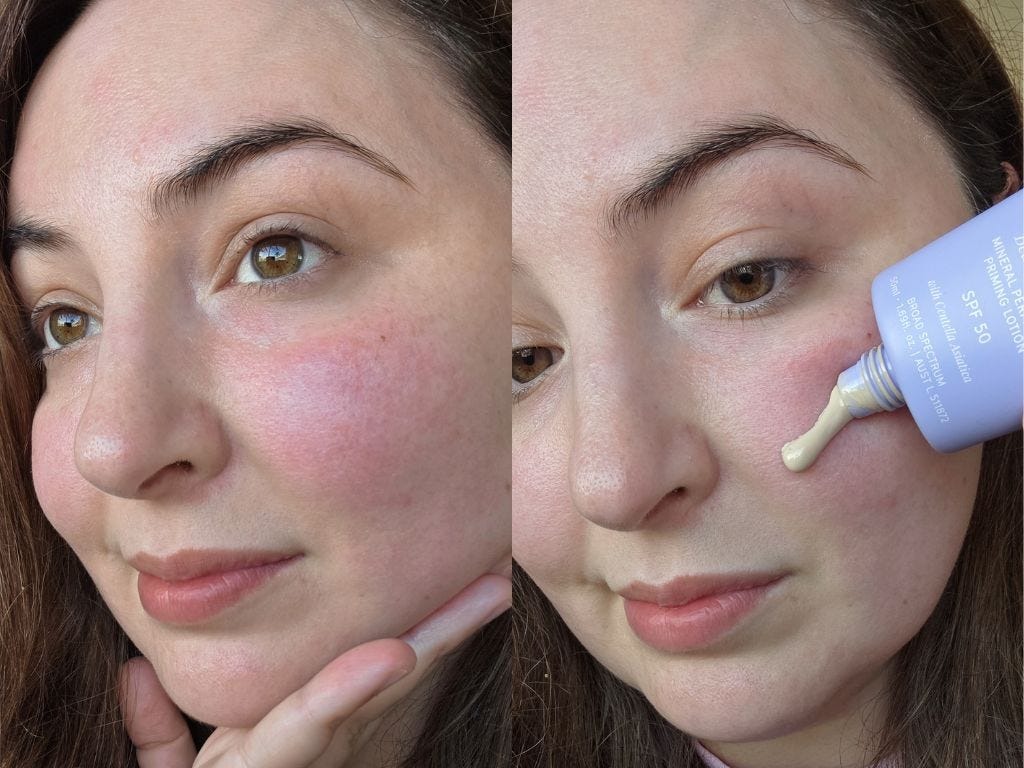
Did you know? Sunscreen plays a large role in skin barrier protection and repair, but the daily skincare step is just starting to be recognised for its role in barrier support.
UV rays – both UVA (often dubbed “aging” rays for how deep they penetrate into the skin) and UVB (known as “burning” rays, largely responsible for sunburn) – don’t just cause burns and collagen damage, they also directly disrupt your skin’s moisture barrier and its ability to protect itself.
Read: How I Repaired My Skin Barrier With 4 Soothing Products
When your barrier is compromised, your skin struggles to hold onto hydration, making transepidermal water loss (TEWL) worse, and its ability to recover from damage is reduced.

This can lead to common signs of sensitivity including redness or stinging, congestion (including breakouts), hyperpigmentation worsening, uneven skin tone, and that dreaded “nothing works for me” fussy skin feeling.
Read: Damaged Skin Barrier: Signs, Causes, And How to Repair It
So sunscreen protects us from some forms of skin cancer, supports healthy collagen production by helping shield against UV damage – and now we know the role it plays in protecting our skin barrier too.
For sensitive or redness-prone skin, a zinc-based formula is often a popular choice. The Naked Sundays BeautyBarrier Mineral Perfecting Priming Lotion SPF50 is fragrance-free and acne-friendly, making it a go-to for fussy or compromised skin types.
The new formula includes added barrier-supporting ingredients like Centella Asiatica, rice amino acids, and watermelon seed oil.
You can read beauty writer Ellie’s full try-on and review here: My Sensitive, Zinc-Loving Skin Tried The Naked Sundays BeautyBarrier SPF50 (With Pictures)

Shop: Naked Sundays BeautyBarrier™ Mineral Perfecting Priming Lotion SPF50, $39.95
ALWAYS READ THE LABEL AND FOLLOW THE DIRECTIONS FOR USE. Wear protective clothing, hat and eyewear when exposed to the sun. Avoid prolonged sun exposure. Reapply frequently.
🫶 Body Care Without The Taboo
We’re diving into some common body skin concerns, why it might be happening, and what you can do about it.
Hyperpigmentation or Uneven Skintone
Hyperpigmentation can show up on the body in many different ways and is not a reflection of hygiene, nor typically has one cause.
Dark underarms are normal and common, as is a deeper or uneven tone around any area our skin naturally folds.
Note: If an area on your body is darkening suddenly or you’re unsure, speak to your medical professional.
Some darkening can happen as a result of irritation from shaving or as a reaction to daily friction, more common in skin with higher levels of melanin. Factors like heat and irritating products can making things worse.
For dark underarms, deodorants are a common irritant. Moving away from harsh formulas can help strengthen your skin barrier and naturally even your tone over time.
🤎 Quick tips:
- Ditch your blunt razors. Removing hair with a dull blade can cause unnecessary irritation.
- Is your deodorant heavily fragranced? Not always, but common irritants under the arms can include essential oils.

Read: The Doctor-Made Armpit Whitening Deodorant That Actually Works
Writer Ellie has reviewed the L’orient No. 2 / Éclair Brightening Deodorant, developed by Dr. Prasanthi, a GP and cosmetic doctor who designed the formula specifically for pigment-prone underarms.
The active ingredients (niacinamide, alpha arbutin, lactic acid, and Centella Asiatica) bring skincare ingredients typically reserved for the face to an area often neglected.
Shop: L’orient Éclair Brightening Deodorant, $59.00
What About Leftover Spots And Marks?
Hyperpigmentation is also a common response to post-shaving nicks or spots on the body, or those annoying ingrown hairs.
Not to be confused with KP spots, which is a collection of keratin dead skin cells at the hair root, dark spots on the body can be faded a few ways.
Just remember it’s important to address any active blemishes or whatever the root cause of the hyperpigmentation is before addressing the pigment.
🤎 Quick tips:
- A gentle body scrub in the shower is always a nice addition. Check out the Soap & Glory Smoothie Star Breakfast Body Scrub, $23.00
- Using a silicone loofah is a hygienic way to make sure your skin doesn’t have any extra irritation from bacterial that can be trapped inside plastic loofahs. Grab any one from Amazon, our go-to recommendation is the Silicone Body Scrubber set, $22.99
- A body lotion focused on evening skin tone is a great essential and also affordable. Try the Vaseline Gluta-Hya Flawless Glow Body Lotion, $10.99
Body Blemishes 101: Supporting Skin Without Irritating It

Whether it’s on the back, chest, or shoulders, body blemishes operate a little differently to facial breakouts and they can get out of hand faster if the approach is too aggressive.
Heat, clothing friction, bacteria spread through sweat, and hard-to-reach areas all make it harder to manage consistently.
Note: If you’re feeling like you’re unable to manage your body breakouts at home, it’s important to consult a medical professional because some cases are very stubborn.
A few things that help, without stripping or stressing the skin:
- Exfoliate before your shower, not during. Apply a glycolic or salicylic acid to affected areas about 10 minutes before getting in. The Ordinary Glycolic Acid 7% Toner is a solid option for the body.
- Lather, then wait. Use an exfoliating body wash (we like Frank Body Clearing Body Wash or Naturium The Perfector Salicylic Acid Body Wash) and leave it on for a minute or two before rinsing. Most people rinse too quickly.
- Swap the loofah! Please! Loofahs harbour bacteria – especially if you’re already dealing with body blemishes. A silicone body scrubber dries out between uses and won’t transfer bacteria around.
- Post-gym, post-run: shower as soon as you can. Don’t re-wear gym clothes. Let towels dry fully between uses or swap them out each shower until you’ve got everything under control.
Read: Men’s Skincare And Hygiene Guide: Routine, Products, And FAQs
And for the body skin barrier (same deal as your face), apply your body moisturiser to damp skin immediately after your shower, not to dry skin.
This one habit change makes a huge difference to dryness, irritation, and that tight, uncomfortable feeling that follows a hot shower.
Thanks for reading our April 2026 beauty recap. It was a great month for community, hearing from some of our writers and sharing a community article for the guys in our audience.
What article should our writers collaborate on next?
🐰 WRS Team x
This Month’s Giveaway Winner of The $100 VAMS Beauty Gift Card:
🎉 Yumiko. K 🎉 Congratulations! We’ve sent you an email.
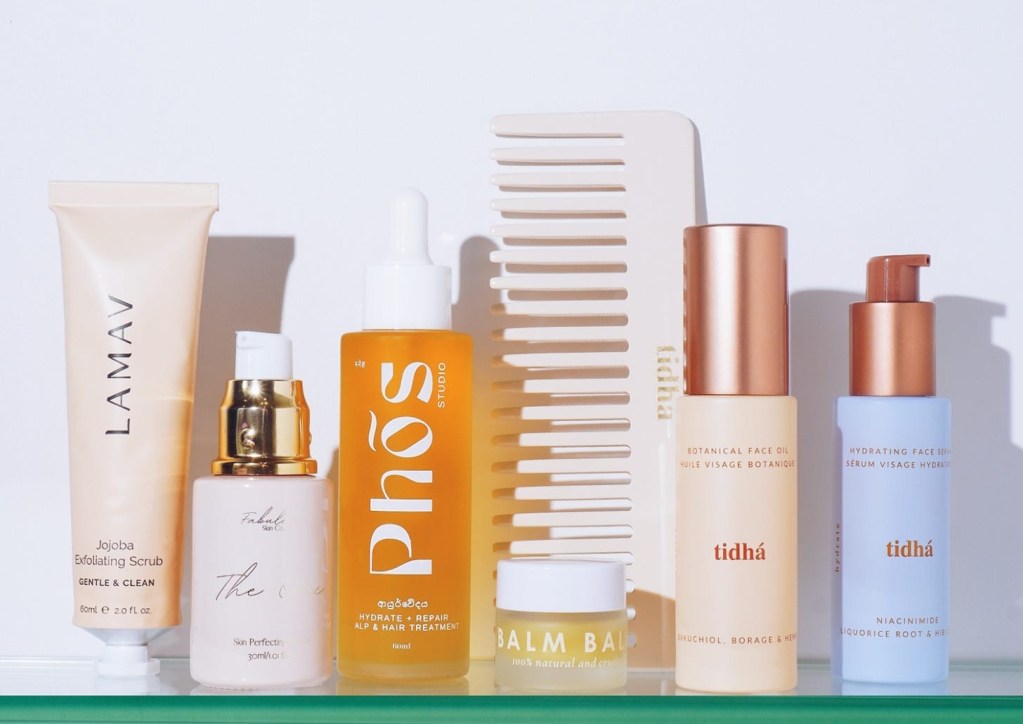
Check out: Award-Winning Australian Beauty & Wellness Brands at VAMS Beauty
Every month we giveaway a $100 VAMS Beauty gift card to someone on our email list.
See: T&C’s for our monthly giveaway.
It’s important you know: Our emails can contain commission links. Any earnings go directly towards paying our talented writers.
This article originally appeared in the White Rabbit Social Beauty Newsletter, our monthly roundup of beauty news, skincare discoveries, product recommendations, and community favourites. If you’d like future editions delivered directly to your inbox, you can subscribe for free or explore previous newsletter editions in our archive.
Related Reading
- The Only Body Care Products List You’ll Need for Head-to-Toe for Silky Skin
- We Tried 5 LED Masks And Devices. Some Were Great, Others Were Meh
- Body Acne Explained – Expert Tips, Key Ingredients, and the Best Body Washes
Leave a Reply